Can Sleep-Deprived Truckers Be Held Liable for Richland Crashes?
When a commercial semi-truck crashes on Washington’s highways, the consequences can be catastrophic. Behind many devastating collisions lies a hidden danger: driver fatigue. In Richland, where rural highways connect to major shipping routes, the question of whether sleep-deprived truckers can be held liable for crashes carries significant legal weight. The answer involves federal hours-of-service regulations, Washington state motor carrier laws, and evidence needed to prove drowsy driving contributed to a collision.
If you’ve been injured in a semi-truck crash in the Tri-Cities area, Telaré Law understands the complexities of holding negligent trucking companies accountable. Our legal team has extensive experience investigating commercial vehicle collisions and can help determine whether driver fatigue played a role in your accident. Call 509-461-9156 or contact us now for a consultation.
Federal and State Regulations Govern Trucker Rest Requirements
Commercial truck drivers operating in Richland must comply with strict regulations designed to prevent drowsy driving accidents. Under RCW 46.32.085, Washington has adopted motor carrier safety rules that match or exceed federal regulations found in 49 C.F.R. Parts 40 and 380 through 397. These rules establish mandatory rest periods, limit consecutive driving hours, and require detailed logbook documentation.
The Federal Motor Carrier Safety Administration’s hours-of-service regulations underwent significant changes effective September 29, 2020, adjusting:
- The short-haul exception for certain drivers
- The adverse driving conditions exception
- The 30-minute rest break requirement timing
- The sleeper berth provision flexibility
Washington’s adoption of these federal standards means truckers operating through Richland face consistent enforcement whether engaged in interstate or intrastate commerce.
💡 Pro Tip: When evaluating a potential truck accident claim, request the driver’s logbooks for the seven days preceding the crash. Patterns of maximum allowable driving hours or minimal rest periods can indicate systematic fatigue risk even if technical violations didn’t occur on the crash date.
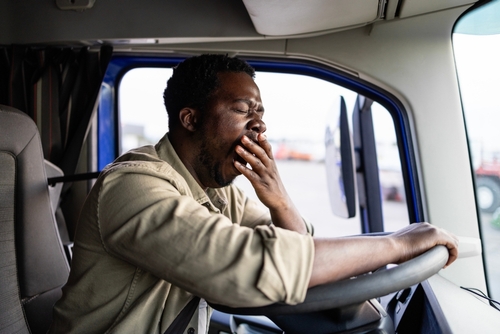
Recognizing the Warning Signs of Drowsy Driving Crashes
National Highway Traffic Safety Administration data reveals that drowsy-driving crashes follow distinct patterns. These collisions frequently occur on rural roads and highways like those surrounding Richland where semi-trucks travel between distribution centers and interstate connections.
Common Characteristics of Fatigue-Related Crashes
Drowsy driving accidents often share telltale signs:
- Single vehicle running off the road at high speed
- No evidence of braking before impact
- Occurrence during circadian rhythm low points (midnight to 6 a.m. or late afternoon)
- Driver traveling alone without passengers
In 2023, NHTSA documented 633 deaths from drowsy-driving-related crashes nationwide. The agency estimates that 91,000 police-reported crashes involved drowsy drivers in 2017, resulting in approximately 50,000 injuries and nearly 800 deaths, numbers widely considered underestimates due to difficulty proving drowsiness after a crash.
Building a Legal Case Against Sleep-Deprived Truckers
Establishing liability when a sleep-deprived trucker causes a Richland crash requires methodical investigation and evidence gathering. Unlike alcohol impairment measured through chemical tests, drowsiness leaves fewer direct markers. However, skilled attorneys know where to look for proof.
Key Evidence Sources Include:
- Electronic logging device (ELD) data showing driving patterns
- Paper logbooks for drivers using older systems
- Dispatch records revealing pressure to meet delivery deadlines
- Cell phone records indicating nighttime activity when drivers should have been resting
- Witness statements about erratic driving before the crash
- Medical records showing sleep disorders or fatigue-inducing medications
- Company policies that may encourage hours-of-service violations
Washington State’s Collision Analysis Tool (CAT) provides another valuable resource, containing collision records from law enforcement beginning November 14, 2013. Attorneys can identify trends in commercial vehicle crashes, including common contributing factors and high-risk locations.
💡 Pro Tip: The CAT database warns that no quality assurance has been performed on raw data, so always verify crash statistics with original police reports before using them in legal proceedings or settlement negotiations.
Understanding Liability Beyond the Driver
When pursuing compensation after a Richland semi-truck crash, liability often extends beyond the drowsy driver. Research on commercial driver fatigue demonstrates that systemic industry pressures frequently contribute to dangerous driving conditions.
Potential Defendants in Drowsy Driving Cases:
- Trucking Companies: May face liability for negligent hiring, inadequate training, or creating schedules that encourage violations
- Shipping Companies: Could bear responsibility if unrealistic delivery demands pressured drivers to skip rest breaks
- Maintenance Providers: Might share liability if vehicle defects compounded driver fatigue effects
- Driver Training Schools: In limited circumstances, may face claims for inadequate fatigue management education
Motor carriers operating under specific Washington State authorities must comply with additional safety rules adopted by the Utilities and Transportation Commission, creating another layer of regulatory oversight that strengthens liability claims.
Challenges in Proving Driver Fatigue Contributed to Your Crash
Despite clear regulations and growing awareness, proving fatigue caused a specific crash presents unique challenges. Unlike mechanical failures that leave physical evidence or drunk driving with measurable blood alcohol content, sleepiness often requires circumstantial proof.
Defense attorneys may argue alternative crash causes or claim the driver was adequately rested according to logbook records. They might point to weather conditions, road hazards, or actions by other drivers as intervening factors.
Overcoming these defenses requires comprehensive investigation starting immediately after the crash. Evidence can disappear quickly, trucking companies may legally destroy certain records after specified retention periods, and witness memories fade.
💡 Pro Tip: Document the crash scene thoroughly, including skid marks (or their absence), vehicle positions, and time of day. These details help accident reconstruction experts determine whether drowsiness likely contributed to the collision.
Recent Crashes Highlight Need for an Experienced Semi-Truck Injury Lawyer in Richland
The Tri-Cities region has witnessed serious commercial vehicle collisions. As detailed in our analysis of 924 semi-truck crashes in 2024, these incidents continue posing significant risks to motorists throughout Eastern Washington.
Washington State Resources for Crash Victims
Individuals seeking information about semi-truck crashes in Richland have several official channels:
- WSDOT Crash Data Portal: Provides high-level summarized statistics
- Public Disclosure Request Center: Offers access to detailed historic crash data
- Standard Crash Data Request Form: Available for formal record requests
These resources compile data from Police Traffic Collision Reports, though professional legal analysis remains crucial for accurate case evaluation.
Protecting Your Rights After a Drowsy Driving Truck Crash
Time limits apply to injury claims arising from Richland semi-truck crashes. Washington State’s civil statute of limitations for personal injury cases varies depending on specific circumstances, and government claims may face even shorter deadlines.
Beyond legal deadlines, practical considerations favor quick action. Trucking companies begin investigations immediately, sometimes sending representatives to crash scenes before victims leave the hospital. Having experienced legal representation levels the playing field.
The complexity of federal and state trucking regulations demands focused legal knowledge. An attorney with extensive commercial vehicle experience understands which records to request, how to interpret technical data, and where trucking companies typically cut corners on safety.
Frequently Asked Questions
What are the federal hours-of-service limits for truck drivers?
Under current federal regulations, property-carrying drivers cannot drive more than 11 hours following 10 consecutive hours off duty, cannot drive beyond the 14th consecutive hour after coming on duty, and must take a 30-minute break after 8 cumulative hours of driving. Drivers also cannot drive after 60 hours on duty in 7 consecutive days or 70 hours in 8 consecutive days. These rules aim to ensure adequate rest, though minimum compliance doesn’t guarantee a driver isn’t dangerously fatigued.
How can I prove the truck driver who hit me was sleep-deprived?
Proving driver fatigue requires multiple forms of evidence. Electronic logging devices or paper logbooks show driving patterns and rest periods. Cell phone records might reveal late-night activity when drivers claimed to be sleeping. Witness statements about erratic driving support fatigue claims. The timing of the crash matters, collisions between midnight and 6 a.m. or during late afternoon align with natural drowsiness periods. An experienced attorney knows how to gather and present this evidence effectively.
Can trucking companies be held responsible for drowsy driving accidents?
Yes, trucking companies often bear liability for their drivers’ fatigue-related crashes. Companies may face negligent hiring claims if they employed drivers with poor safety records or inadequate training. Negligent supervision applies when companies fail to monitor hours-of-service compliance or pressure drivers to violate rest requirements. When systematic practices encourage unsafe driving, corporate liability can exceed individual driver responsibility.
What damages can I recover in a drowsy driving truck accident case?
Victims may recover various forms of compensation. Economic damages include medical expenses (current and future), lost wages, diminished earning capacity, and property damage. Non-economic damages compensate for pain and suffering, emotional distress, and loss of enjoyment of life. In cases involving particularly reckless conduct, such as falsified logbooks, punitive damages might apply. Each case requires individual evaluation to determine potential recovery.
How long do I have to file a lawsuit after a Richland truck accident?
Washington State generally allows three years from the accident date to file a personal injury lawsuit, though exceptions can shorten or extend this deadline. Claims against government entities must be filed within the regular statute of limitations period (typically three years for personal injury); in Washington, filing a tort claim notice triggers a mandatory 60-day waiting period before a lawsuit can be filed. Some other states, like California, have shorter initial notice deadlines (for example, 180 days). Because courts interpret these exceptions narrowly, consulting with an attorney promptly protects your rights and ensures you don’t miss critical deadlines.
Taking Action to Hold Negligent Truckers Accountable
Sleep-deprived truckers absolutely can be held liable for Richland crashes when evidence demonstrates their fatigue contributed to the collision. Federal hours-of-service regulations and Washington State motor carrier rules create clear standards for safe operation. When drivers and trucking companies violate these requirements, they bear responsibility for resulting harm.
Building a successful case requires understanding complex regulations, gathering time-sensitive evidence, and presenting technical information persuasively. The interplay between federal and state oversight, combined with industry practices that sometimes prioritize profits over safety, creates a challenging legal landscape for victims.
If you or a loved one suffered injuries in a collision with a commercial truck in the Richland area, you deserve answers about whether driver fatigue played a role. The team at Telaré Law has the knowledge and resources to investigate trucking crashes thoroughly, identify all potentially liable parties, and pursue maximum compensation for your injuries. Don’t let trucking companies and their insurers minimize your claim. Call 509-461-9156 today or reach out online to discuss your case with attorneys who understand the unique challenges of semi-truck collision cases in Eastern Washington.