When Dog Licensing No Longer Protects You: Understanding Your Rights After an Attack
Nearly 1 in 5 people bitten by a dog requires medical attention, yet proving negligence has become more challenging since Richland eliminated its dog licensing requirement in 2019 through Ordinance 24-19, with the review completed no later than June 2019. Without mandatory licensing, victims must rely on alternative evidence to establish negligence, making it crucial to understand your legal options and the steps needed to build a strong case.
💡 Pro Tip: Document everything immediately after a dog bite – take photos of injuries, get witness contact information, and request the owner’s homeowner’s insurance details, as these become your primary evidence without licensing records.
Feeling overwhelmed after a dog bite incident? Let Telaré Law guide you through your legal options with confidence and clarity. Reach out today at 509-461-9156 or contact us to ensure your rights are fully protected.
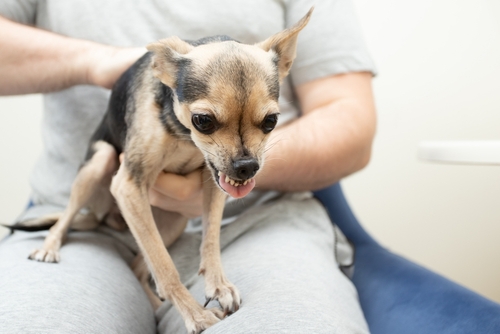
Washington’s Strict Liability Law: Your First Line of Defense
While Richland’s elimination of dog licensing requirements might seem like a setback, Washington State law provides powerful protection through RCW 16.08.040. This strict liability statute states that dog owners “shall be liable for such damages as may be suffered by the person bitten, regardless of the former viciousness of such dog or the owner’s knowledge of such viciousness.” This means a Dog Bite Lawyer In Richland can help you recover damages without proving negligence – the bite itself makes the owner liable.
However, understanding when negligence claims become necessary is essential. Strict liability only covers bites occurring “in or on a public place or lawfully in or on a private place including the property of the owner,” and exempts police dogs. When strict liability doesn’t apply, or when injuries result from something other than a bite – such as being knocked down by a jumping dog – proving negligence becomes your path to compensation.
💡 Pro Tip: Even without licensing requirements, Washington’s strict liability law remains your strongest asset – but document any evidence of the owner’s negligent behavior as backup for your claim.
Building Your Negligence Case: Essential Steps and Timeline
Proving negligence without licensing records requires a methodical approach and timely action. Each step builds upon the previous one to create a compelling case demonstrating the owner failed in their duty of care.
- Immediate Action (Within 24 Hours): Report the bite to Tri-City Animal Control (Kennewick: 509.460.4200, Pasco: 509.547.9737) and seek medical attention – medical records serve as crucial evidence
- First Week: Contact Benton-Franklin Health District for rabies assessment and mandatory 10-day confinement – this creates official documentation
- Investigation Phase (Weeks 1-4): Gather witness statements, photograph the location, and research prior incidents – social media and neighborhood apps often reveal patterns of negligent behavior
- Building Evidence (Months 1-3): Document medical treatment, lost wages, and compile evidence of the owner’s knowledge of aggressive tendencies through veterinary records or neighbor testimonies
- Legal Action Window: Washington’s statute of limitations gives you time to build your case, but acting quickly preserves evidence and witness memories
💡 Pro Tip: Create a detailed timeline documenting not just your injuries, but also previous encounters with the dog or conversations with the owner about their pet’s behavior – these details become invaluable when licensing records aren’t available.
Securing Compensation Without Licensing Records: How a Dog Bite Lawyer In Richland Makes the Difference
Successfully proving negligence in the absence of licensing requirements demands comprehensive understanding of both Washington state law and local circumstances. Telaré Law recognizes that Richland’s 2019 decision creates unique challenges for bite victims. By focusing on alternative evidence sources – from animal control reports to neighborhood witness accounts – experienced attorneys build compelling negligence cases demonstrating how owners failed in their duty to control dangerous animals.
The key lies in establishing the three essential elements of negligence: duty, breach, and causation. Without licensing violations, your Dog Bite Lawyer In Richland must prove the owner had a duty to control their dog, failed through specific negligent actions, and that this negligence directly caused your injuries. This might include demonstrating violations of other laws, such as leash laws or dangerous dog statutes, which can establish “negligence per se.” Telaré Law understands how to navigate these complex requirements and maximize your compensation.
💡 Pro Tip: Request copies of any prior animal control complaints or citations against the dog owner – these records can establish a pattern of negligent behavior even without current licensing requirements.
Alternative Evidence Sources: Building Your Case Beyond Licensing Records
With Richland’s animal licensing requirements eliminated, proving negligence requires creative evidence gathering beyond traditional documentation. Successful cases rely on digital footprints, community reports, and circumstantial evidence that paint a clear picture of owner negligence.
Digital Evidence and Social Media Documentation
Modern technology offers powerful tools for establishing negligence patterns. Social media posts showing dogs off-leash in prohibited areas, comments about aggressive behavior, and neighbor reports about prior incidents all contribute to proving the owner knew about dangerous propensities. Doorbell camera footage, business security cameras, and GPS data can establish crucial facts about the incident location. When working with a Dog Bite Lawyer In Richland, providing these digital resources significantly strengthens your negligence claim.
💡 Pro Tip: Screenshot and preserve any social media posts about the dog immediately – owners often delete incriminating posts after an incident, but archived evidence remains admissible in court.
Understanding Negligence Per Se: When Other Law Violations Strengthen Your Case
Even without licensing requirements, dog owners must comply with numerous other laws. Violations can establish “negligence per se,” meaning the violation itself proves unreasonable behavior without requiring additional evidence of carelessness.
Common Legal Violations That Establish Negligence
The most frequent violation involves leash laws requiring dogs to be under physical control in public spaces. When an unleashed dog causes injury, the owner’s violation can automatically establish negligence. Similarly, violations of rabies vaccination requirements, dangerous dog regulations, or at-large ordinances all serve as foundations for negligence per se claims. Your Dog Bite Lawyer In Richland can identify which ordinances apply and how violations strengthen your compensation claim.
💡 Pro Tip: Request a copy of all applicable animal control ordinances from the city – even minor violations can establish a pattern of irresponsible ownership that supports your negligence claim.
Frequently Asked Questions
Navigating Richland’s Changed Legal Landscape
Since Richland eliminated dog licensing requirements in 2019, many residents have questions about how this affects their rights after a dog attack. Understanding these changes is crucial for protecting your interests.
💡 Pro Tip: Keep a detailed record of all communication with the dog owner and their insurance company – these conversations often contain admissions that help prove negligence.
Taking Action After a Dog Bite Incident
Knowing the right steps immediately after a dog bite can make the difference between a successful claim and a difficult legal battle. Time-sensitive actions preserve evidence and protect your health.
💡 Pro Tip: Always report the bite to both animal control and health authorities – even if the owner promises to pay medical bills, official documentation protects your rights.
1. How does Richland’s elimination of dog licensing affect my ability to identify the dog owner after a bite?
Without licensing records, identifying dog owners requires alternative approaches. Gather information directly at the scene, including the owner’s name, address, and insurance information. If the owner flees, witnesses, mail carriers, and neighbors often know local dogs and their owners. Tri-City Animal Control may have records of previous complaints. Working with a Dog Bite Lawyer In Richland ensures all available resources are utilized to identify responsible parties.
2. Can I still sue for negligence if Washington’s strict liability law applies to my dog bite case?
Yes, negligence claims can supplement strict liability claims and may provide additional compensation avenues. While RCW 16.08.040 makes owners strictly liable for bite injuries, negligence claims become valuable when seeking damages beyond medical costs, such as emotional distress or when injuries result from non-bite incidents. Your Richland dog bite attorney can pursue both theories simultaneously to maximize recovery.
3. What evidence replaces licensing records when proving the owner knew their dog was dangerous?
Multiple evidence sources can establish owner knowledge without licensing records. Previous bite reports to animal control, veterinary records noting aggressive behavior, witness testimonies, and even the owner’s own precautions (like “Beware of Dog” signs) can demonstrate knowledge. Social media posts, text messages discussing the dog’s behavior, and complaints to homeowner associations also provide valuable evidence.
4. How do changes in Richland animal control laws affect the 10-day rabies observation period?
The rabies observation requirement remains unchanged despite Richland not requiring animal licensing. The Benton-Franklin Health District still mandates a 10-day confinement period for dogs, cats, and ferrets after any bite incident. This health department process operates independently of city licensing requirements and provides crucial documentation. Contact the health district immediately after any bite.
5. What compensation can I seek through a negligence claim that strict liability might not cover?
Negligence claims can encompass broader damages than strict liability, including compensation for emotional trauma, loss of enjoyment of life, and punitive damages in cases of gross negligence. Additionally, negligence theories can cover incidents where no actual bite occurred but injuries resulted from careless handling. A Dog Bite Lawyer In Richland can evaluate which legal theories maximize your potential recovery.
Work with a Trusted Dog Bite Lawyer
Proving negligence without licensing records requires thorough investigation, strategic evidence gathering, and deep knowledge of state and local laws. The complexities introduced by Richland’s 2019 elimination of dog licensing make professional legal guidance essential for securing fair compensation. Having experienced legal representation ensures all available avenues for recovery are explored and often results in significantly higher compensation than attempting to navigate these challenges alone.
Don’t leave your rights to chance after a dog bite. Contact Telaré Law to navigate the complexities and secure the compensation you deserve. Dial 509-461-9156 or contact us today.