When Desert Heat Meets Mountain Grades: Understanding Your Rights After a Climate-Related Truck Accident
The extreme temperature swings and steep mountain passes around Bend create a perfect storm for semi-truck brake failures, leaving accident victims wondering if Oregon’s unique environmental conditions might strengthen their legal claims. If you’ve been injured in a truck accident where brake failure played a role, you’re not alone in questioning whether the high desert climate contributed to the mechanical failure and what that means for your compensation. The intersection of federal motor carrier safety regulations, Oregon’s adoption of these standards, and potential environmental factors creates a complex legal landscape that requires careful navigation. Understanding how these elements work together can make the difference between a standard injury claim and one that fully addresses the unique circumstances of your accident.
💡 Pro Tip: Document weather conditions at the time of your accident and request maintenance records showing how the trucking company addressed climate-related wear on brake systems.
Don’t let complex climate conditions cloud your path to justice. At Telaré Law, we know how to untangle the web of environmental and regulatory factors impacting your case. Reach out today at 509-736-3160 or contact us to explore how we can help you secure the compensation you deserve.
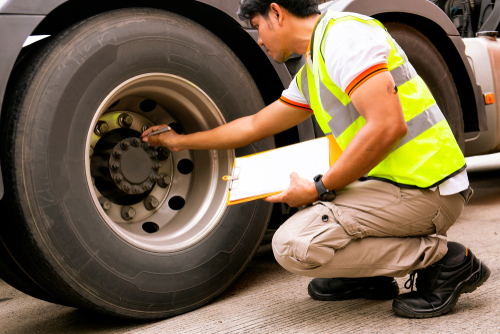
Oregon’s Motor Carrier Safety Standards and Environmental Considerations with a Semi-Truck Injury Lawyer in Bend
Oregon has adopted federal motor carrier safety regulations through April 1, 2021, including specific brake requirements found in 49 CFR Part 393, which mandate proper maintenance and operation of brake systems regardless of environmental conditions. When working with a Semi-Truck Injury Lawyer in Bend, understanding how these regulations apply to climate-related failures becomes crucial. The Oregon Department of Transportation serves as the enforcement authority for these federal standards, meaning violations carry both state and federal implications. Trucking companies operating through Oregon’s diverse climate zones must ensure their brake systems can handle everything from desert heat to mountain snow, and failure to adapt maintenance schedules to these conditions may constitute negligence.
While Oregon’s environmental liability laws under ORS 465.255 primarily address hazardous waste cleanup, the broader principle of liability for environmental impacts may strengthen arguments about a carrier’s duty to anticipate and prevent climate-related mechanical failures. A skilled Semi-Truck Injury Lawyer in Bend can explore whether the trucking company’s failure to properly maintain brakes for high desert conditions represents a violation of their duty of care. The state’s financial assistance programs for environmental cleanups demonstrate Oregon’s commitment to holding parties accountable for environmental impacts, which may extend to preventable accidents caused by inadequate preparation for local conditions.
💡 Pro Tip: Request documentation showing whether the trucking company had specific protocols for brake maintenance in extreme temperature zones – the absence of such protocols can strengthen your negligence claim.
From Accident to Resolution: The Semi-Truck Injury Claim Process in Oregon
Pursuing compensation after a brake failure accident involves multiple stages, each with critical deadlines and requirements. Working with a Semi-Truck Injury Lawyer in Bend ensures you meet all necessary timelines while building the strongest possible case. The process typically unfolds as follows, though climate-related factors may add complexity to certain stages:
- Immediate Response (Days 1-7): Seek medical attention, report to law enforcement, and document environmental conditions including temperature, grade of roadway, and weather patterns
- Investigation Phase (Weeks 1-4): Your attorney initiates preservation of evidence including brake components, maintenance records, and driver logs showing route history through climate zones
- Regulatory Review (Months 1-3): Analysis of compliance with Oregon-adopted federal standards, particularly brake inspection requirements and documentation of climate-appropriate maintenance
- Expert Analysis (Months 2-4): Mechanical engineers examine whether brake failure resulted from inadequate preparation for Bend’s high desert conditions versus pure mechanical defect
- Settlement Negotiations (Months 4-8): Armed with evidence of climate-related factors and regulatory violations, your attorney negotiates for comprehensive compensation
- Litigation if Necessary (Months 8-24): If settlement fails, trial preparation includes presenting evidence of how environmental factors and inadequate maintenance combined to cause your injuries
💡 Pro Tip: Oregon’s statute of limitations for personal injury is two years, but evidence of brake condition deteriorates quickly – contact an attorney within days of your accident for best results.
How Telaré Law Maximizes Recovery in Climate-Related Truck Accidents
At Telaré Law, we understand the unique challenges posed by Central Oregon’s extreme climate conditions and how they factor into semi-truck accident cases. Our team combines knowledge of federal motor carrier safety regulations with an understanding of how Oregon’s high desert environment impacts vehicle safety systems. We work with mechanical engineers who can demonstrate how temperature extremes, steep grades, and rapid elevation changes create extraordinary stress on brake systems, especially when trucking companies fail to adapt their maintenance schedules. By connecting these environmental factors to regulatory violations, we help clients pursue maximum compensation for their injuries.
Oregon truck accident compensation often extends beyond typical injury damages when environmental factors and regulatory violations combine. A Semi-Truck Injury Lawyer in Bend from our firm will investigate whether the trucking company followed industry best practices for operating in extreme climates, including pre-trip inspections specific to brake performance in hot conditions and documentation of climate-adjusted maintenance intervals. The Uniform Maximum Fine Schedule adopted by Oregon establishes penalties for safety violations, and we use evidence of these violations to strengthen your civil claim and demonstrate the carrier’s disregard for safety.
💡 Pro Tip: Keep a symptom diary documenting how your injuries affect daily life – Oregon courts consider quality of life impacts when determining non-economic damages.
Understanding Brake Standards and Climate Impact on Commercial Vehicles
The Oregon Department of Transportation maintains vehicle equipment standards that incorporate federal requirements while acknowledging the state’s diverse operating conditions. These standards require brake systems capable of safe operation under all reasonably anticipated conditions, which in Oregon means functioning reliably from sea level to mountain passes and from coastal humidity to desert aridity. When a Semi-Truck Injury Lawyer in Bend examines your case, they’ll look for evidence that the carrier knew or should have known their standard maintenance schedule was insufficient for routes through extreme climate zones.
Federal Motor Vehicle Standards adopted by Oregon specifically address brake performance requirements, but these minimum standards assume normal operating conditions. The high desert climate around Bend creates abnormal stress through extreme temperature variations, sometimes exceeding 50 degrees in a single day, combined with steep mountain grades that generate additional heat through constant brake application. Trucking companies that fail to enhance their maintenance protocols for these conditions may face liability for resulting accidents, especially when they regularly route vehicles through these challenging areas.
Temperature Extremes and Brake Fade in High Desert Conditions
Brake fade becomes exponentially more dangerous when ambient temperatures already stress the system before descending mountain grades. Our analysis often reveals that accidents occurring during summer months in high desert regions show patterns of inadequate brake cooling systems or worn components that might have performed adequately in moderate climates. This specialized knowledge helps establish that standard maintenance intervals don’t suffice for trucks regularly operating in extreme conditions.
💡 Pro Tip: Request weather data for the month before your accident – patterns of extreme temperatures strengthen arguments about foreseeable brake system stress.
Environmental Liability Principles and Commercial Transportation
While Oregon’s environmental liability laws primarily target hazardous substance releases, the underlying principle that parties must consider environmental factors in their operations extends to transportation safety. The statute recognizes degrees of cooperation, extent of participation, and compliance with applicable laws as factors in determining liability – principles that apply when examining whether a trucking company adequately prepared for environmental challenges. Bend Oregon truck injury legal rights may be enhanced when carriers demonstrate a pattern of ignoring climate-related maintenance needs despite operating regularly in extreme conditions.
The state’s approach to liability determination considers whether acts or omissions were in material compliance with applicable laws, standards, and regulations. When you consult a lawyer about your truck accident case, they’ll examine whether the carrier’s maintenance practices aligned with both federal requirements and industry best practices for extreme climate operation. Violations of commercial motor carrier safety regulations that aren’t specifically addressed in the Uniform Maximum Fine Schedule carry presumptive fines equal to Class C traffic violations, but in civil litigation, these violations can support much larger damage awards.
Punitive Damages and Systemic Safety Failures
Oregon law allows punitive damages up to three times actual damages when defendants demonstrate willful disregard for safety. In cases where trucking companies repeatedly route vehicles through extreme climate zones without adjusting maintenance protocols, this enhancement becomes particularly relevant. Evidence of previous brake-related incidents in similar conditions strengthens arguments for punitive damages.
💡 Pro Tip: Research whether the trucking company has faced previous citations for brake violations – patterns of non-compliance can justify enhanced damages.
Building Your Case: Evidence Specific to Climate-Related Brake Failures
Semi-truck accident environmental liability Oregon cases require specific types of evidence that go beyond typical accident documentation. Your Semi-Truck Injury Lawyer in Bend will need maintenance records spanning multiple seasons to show whether the carrier adjusted service intervals for vehicles operating in extreme conditions. Driver logs revealing repeated routes through high-temperature zones combined with steep grades help establish that brake stress was foreseeable. Weather data from the National Weather Service provides objective evidence of temperature extremes and rapid climate changes that stress brake systems beyond normal parameters.
Oregon Vehicle Equipment Standards include references to federal requirements, but successful cases often hinge on showing that minimum compliance isn’t sufficient for safe operation in extreme environments. Expert testimony from mechanical engineers familiar with high desert operating conditions can explain how temperature cycling causes accelerated wear of brake components and why standard maintenance intervals fail to address this increased degradation. Documentation of industry best practices for extreme climate operation, compared against the carrier’s actual practices, often reveals the gap between what’s legally required and what’s necessary for safety.
The Role of Electronic Logging Devices and Brake Performance Data
Modern trucks equipped with electronic logging devices often record brake temperature warnings and system performance data that can prove invaluable in establishing climate-related failure patterns. This technology provides objective evidence of how environmental conditions affected brake performance leading up to your accident. Carriers who ignore or fail to act on this data face increased liability exposure.
💡 Pro Tip: Request electronic control module (ECM) data downloads immediately – this information can show brake system warnings that drivers or companies ignored.
Frequently Asked Questions
Climate Factors and Legal Rights in Truck Accidents
Understanding how Bend’s unique climate affects your legal rights after a truck accident helps you make informed decisions about pursuing compensation. These questions address common concerns about environmental factors in truck accident cases.
💡 Pro Tip: Document any statements made by the truck driver about brake problems or difficulty controlling the vehicle – these admissions can be crucial evidence.
Compensation and Recovery in Environmental Factor Cases
The intersection of environmental conditions and mechanical failures creates unique opportunities for compensation beyond standard accident claims. Knowing what damages are available helps set realistic expectations for recovery.
💡 Pro Tip: Keep records of all accident-related expenses, including alternative transportation costs – Oregon law allows recovery of all reasonable economic losses.
1. Can extreme weather conditions in Bend actually increase my compensation in a semi-truck brake failure case?
Yes, if environmental factors like extreme heat or rapid temperature changes contributed to brake failure, it can strengthen your negligence claim. Trucking companies must maintain vehicles for the conditions they’ll encounter, and failure to adjust maintenance for Bend’s climate may constitute additional negligence, potentially increasing both compensatory and punitive damages.
2. How do Oregon’s adopted federal brake standards apply to trucks operating in high desert conditions?
While Oregon adopted federal standards through 49 CFR Part 393, these represent minimum requirements. Courts recognize that safe operation in extreme climates may require exceeding federal minimums. Your Semi-Truck Injury Lawyer in Bend can argue that compliance with basic standards isn’t sufficient when operating in challenging environmental conditions.
3. What evidence proves climate conditions contributed to my truck accident?
Key evidence includes weather data, brake component analysis showing heat damage, maintenance records revealing inadequate service intervals, driver logs showing repeated operation in extreme conditions, and expert testimony connecting environmental factors to brake failure. Electronic logging device data showing brake warnings adds strong objective evidence.
4. Do Oregon’s environmental liability laws apply to semi-truck accidents?
While ORS 465.255 primarily addresses hazardous substance releases, the broader principles of environmental accountability can support arguments about carrier negligence. The law’s emphasis on compliance with applicable standards and regulations strengthens cases where carriers failed to adapt safety protocols for environmental conditions.
5. How long do I have to file a Bend Oregon Semi-truck Injury lawsuit involving brake failure?
Oregon’s statute of limitations for personal injury is two years from the accident date. However, evidence of brake condition and environmental factors deteriorates quickly. Consulting with an attorney immediately preserves your ability to gather crucial evidence about weather conditions, brake system status, and maintenance history before it’s lost or destroyed.
Work with a Trusted Semi-Truck Injury Lawyer
Climate-related brake failures represent a complex intersection of federal regulations, state law, and environmental factors that requires specialized legal knowledge. When selecting representation, look for attorneys who understand both Oregon Hazardous Waste and Hazardous Materials Laws principles and how environmental accountability concepts might strengthen traditional negligence claims. Experience with commercial vehicle accidents in extreme climate zones provides crucial insight into building compelling cases that account for all factors contributing to your injuries. The right legal team will have established relationships with mechanical engineers and accident reconstruction experts familiar with high desert operating conditions.
Don’t let Bend’s challenging climate put the brakes on your rights. With Telaré Law, we’re here to help you navigate the legal maze and secure the compensation you deserve. Give us a ring at 509-736-3160 or contact us today and let’s drive your case forward together.