When Your Beloved Pet Becomes a Legal Liability
If your dog has bitten someone in Washington State, you’re likely feeling a mix of shock, worry, and confusion about what comes next. The answer to whether dog owners must pay regardless of circumstances is generally yes – Washington enforces one of the strictest dog bite liability laws in the nation. Under RCW 16.08.040, dog owners face automatic liability for damages when their dog bites someone, even if the dog has never shown aggressive behavior before and the owner had no idea their pet could be dangerous. This harsh reality catches many responsible pet owners off guard, especially when they believe their dog was provoked or protecting their property.
💡 Pro Tip: Document everything immediately after a dog bite incident – take photos, collect witness statements, and preserve any evidence of provocation, as this could be your only defense under Washington law.
Are you navigating the murky waters of dog bite liability? Telaré Law stands ready to lend a hand, offering guidance through Washington’s strict liability laws. Don’t face this challenge alone—reach out at 509-736-3160 or contact us today.
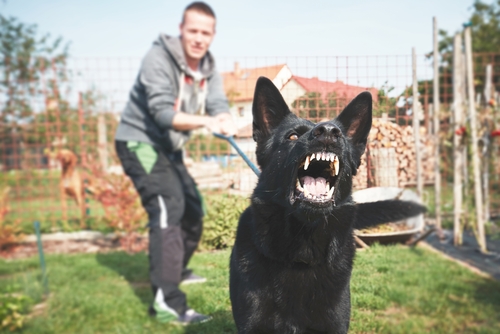
Understanding Your Rights and Responsibilities Under Washington’s Dog Bite Statute
Washington’s dog bite statute, codified at RCW 16.08.040, creates what lawyers call “strict liability” for dog owners. This means the owner of any dog which bites a person while that person is in a public place or lawfully on private property (including the owner’s property) is liable for damages, regardless of the dog’s prior behavior or the owner’s knowledge of any viciousness. Unlike many states that follow a “one bite rule” where owners get a pass if their dog has never bitten before, Washington holds owners accountable from the very first incident. This law has been in effect since 1941 and was last amended in 2012, reflecting decades of legislative intent to protect bite victims while placing the burden of responsibility squarely on dog owners.
The financial implications can be staggering. According to the Insurance Information Institute, home insurers nationwide paid $1.57 billion to settle dog bite claims in 2024, with the average cost per claim reaching $69,272 – up from $58,545 just a year earlier. Most homeowners insurance policies provide between $100,000 to $300,000 in liability coverage, though renters insurance typically offers much lower limits. Understanding these coverage amounts becomes crucial when facing a potential claim, as medical bills, lost wages, and pain and suffering damages can quickly exceed basic policy limits. A Dog Bite Lawyer in Kennewick can help evaluate whether your insurance coverage is adequate and explore options if damages exceed your policy limits.
💡 Pro Tip: Review your homeowners or renters insurance policy now to understand your liability coverage limits – many policies exclude certain breeds or may not cover dogs with a history of aggression, leaving you personally exposed to lawsuits.
What Happens After a Dog Bite: The Legal Process Explained
The aftermath of a dog bite incident follows a predictable but urgent timeline that every dog owner should understand. Immediate actions can significantly impact both criminal and civil proceedings, as well as insurance coverage decisions. Here’s what typically unfolds:
- Within 24-48 hours: The bite must be reported to animal control authorities, who will investigate and potentially quarantine your dog for rabies observation
- Within 7-14 days: Your local animal control will classify your dog, potentially as “dangerous” or “potentially dangerous,” triggering specific legal requirements under Washington dog bite liability law
- Within 30 days: Insurance companies often require notification of any incident that could lead to a claim – failing to notify promptly could jeopardize coverage
- Within 60-90 days: The victim typically seeks medical treatment completion and begins calculating damages, often with the help of a Dog Bite Lawyer in Kennewick who understands local claim values
- Within 3 years: The victim must file a lawsuit under Washington’s statute of limitations for personal injury claims, though most cases settle much sooner through insurance negotiations
💡 Pro Tip: Never admit fault or make statements about your dog’s temperament to anyone except your attorney – even saying “he’s never done this before” can be used against you in establishing the unprovoked nature of the attack.
Protecting Your Rights When Facing Dog Bite Claims
While Washington’s strict liability law seems to leave dog owners with few options, several defenses and strategies can minimize your exposure. The most powerful defense is proving provocation – if the injured person provoked the attack, this serves as a complete defense to liability under the statute. Provocation might include hitting, teasing, or cornering your dog, though the bar for proving this defense is high. Additionally, if the person was unlawfully on your property (trespassing), you may not be liable for their injuries. Working with an experienced Dog Bite Lawyer in Kennewick becomes essential in building these defenses, as they understand how local courts interpret provocation and can gather the necessary evidence to support your case.
Telaré Law brings extensive experience handling dog bite cases from both sides, understanding the nuances of Washington’s strict liability statute and local enforcement patterns. Their team recognizes that dog owners facing claims need compassionate yet strategic representation, especially when dealing with insurance companies that may try to deny coverage or push for quick, lowball settlements. The firm’s approach focuses on thorough investigation of the incident circumstances, including reviewing any available video footage, interviewing witnesses, and working with animal behavior professionals when necessary to build the strongest possible defense.
💡 Pro Tip: If your dog has bitten someone, immediately photograph any injuries to the person who provoked the attack, damaged fencing that allowed unauthorized entry, or “Beware of Dog” signs on your property – this evidence can disappear quickly but may prove crucial to your defense.
Insurance Consequences: How Dog Bites Impact Your Coverage and Premiums
The financial impact of a dog bite extends far beyond the immediate claim. Insurance companies view dogs that have bitten as increased risks, often resulting in dramatic changes to your coverage. Many insurers will non-renew your policy entirely, while others may exclude your dog from liability coverage or significantly increase premiums. Some companies maintain breed-specific lists, automatically declining coverage for certain breeds regardless of individual temperament. Understanding these potential consequences helps dog owners make informed decisions about their pets and insurance coverage before an incident occurs. Working with a knowledgeable Dog Bite Lawyer in Kennewick can help navigate these insurance complications and explore alternative coverage options.
The Hidden Costs of Dog Bite Claims
Beyond the average $69,272 settlement amount, dog owners face numerous hidden costs that can devastate family finances. Legal defense fees, increased insurance premiums for years to come, and potential personal liability exceeding policy limits create long-term financial burdens. If your dog is classified as dangerous under Washington State dangerous dog regulations, you’ll face ongoing costs for special licensing, mandatory insurance minimums, secure enclosures, and warning signage. Some jurisdictions require muzzling in public, specialized training programs, or even mandate euthanasia for dogs involved in severe attacks. These cascading consequences make early legal intervention critical to minimizing both immediate and long-term impacts.
💡 Pro Tip: Consider purchasing a personal umbrella policy that provides additional liability coverage above your homeowners or renters insurance – these policies are relatively inexpensive and can provide millions in extra protection if you own dogs.
Dangerous Dog Classifications and Local Ordinance Compliance
Washington State distinguishes between “dangerous dogs” regulated under state law and “potentially dangerous dogs” regulated by local ordinances, creating a complex web of requirements that vary by jurisdiction. A dog may be declared dangerous if it has inflicted severe injury on a human without provocation, killed a domestic animal, or been previously found potentially dangerous and commits another aggressive act. The legal ramifications of these classifications are severe – owners must comply with stringent requirements including obtaining special licenses, maintaining specific liability insurance amounts (often $250,000 or more), and confining the dog in approved enclosures. Local jurisdictions often add their own requirements, from muzzle mandates to prohibitions on walking dangerous dogs in public parks.
Good Behavior Exceptions and Breed-Specific Legislation
As of January 1, 2020, Washington law requires municipalities with breed-specific ordinances to provide good behavior exceptions for restricted breeds. This means cities like Yakima or Spokane that ban or restrict certain breeds must allow individual dogs to earn exemptions through behavioral assessments. Some jurisdictions, like Pasco, offer permit exemptions for potentially dangerous dogs that complete the American Kennel Club’s Canine Good Citizen program, though they require biannual retesting. Understanding these local variations becomes crucial for dog owners, as compliance failures can result in fines, forced removal of the dog, or even criminal charges. A Dog Bite Lawyer in Kennewick familiar with Benton County’s specific ordinances can guide owners through these requirements and help petition for exceptions when appropriate.
💡 Pro Tip: If your dog has been involved in any aggressive incident, immediately enroll in a certified training program and document all training efforts – courts and animal control officers view proactive behavior modification favorably when making dangerous dog determinations.
Legal Defenses and Exceptions to Strict Liability
While Washington’s strict liability statute seems absolute, several important exceptions and defenses exist that every dog owner should understand. The most significant is the provocation defense – proof that the injured person provoked the attack provides a complete bar to liability. However, Washington courts interpret provocation narrowly, typically requiring intentional acts designed to incite the dog rather than merely startling or accidentally stepping on them. The statute also specifically exempts police dogs when lawfully engaged in their official duties, recognizing their essential role in law enforcement. Additionally, veterinarians, groomers, and other professionals who voluntarily assume the risk of working with dogs may have limited ability to sue for work-related bites.
Building a Strong Provocation Defense
Successfully proving provocation requires more than just claiming the victim did something to upset your dog. Courts examine whether a reasonable person would expect their actions to provoke an attack, considering factors like the victim’s age, the severity of their actions, and whether they had previous interactions with the dog. Video evidence has become increasingly valuable, as many homeowners now have security cameras that capture incidents. Witness testimony from neutral parties carries significant weight, as does evidence of the victim’s behavior immediately before the bite. In cases like Gorman v. Pierce County, where the county was found liable for failing to properly classify a dangerous dog despite multiple complaints, documentation of prior incidents becomes crucial. An experienced Dog Bite Lawyer in Kennewick can help gather and present this evidence effectively, potentially turning a seemingly hopeless case into a successful defense.
💡 Pro Tip: Install security cameras covering all areas where your dog has access to visitors – clear video evidence of provocation or trespassing can mean the difference between paying nothing and facing a six-figure judgment.
Frequently Asked Questions
Common Legal Concerns About Dog Bite Liability
Understanding your rights and responsibilities under Washington’s dog bite laws helps owners make informed decisions about pet ownership, insurance coverage, and incident response. These frequently asked questions address the most common concerns we hear from dog owners facing potential liability.
💡 Pro Tip: Keep a detailed record of your dog’s veterinary history, training certifications, and any incidents or complaints – this documentation becomes invaluable if you ever need to defend against a bite claim or dangerous dog designation.
Next Steps in the Legal Process
After a dog bite incident, the legal process can feel overwhelming, but understanding what to expect helps reduce anxiety and improves outcomes. From initial investigation through potential settlement or trial, each phase has specific requirements and opportunities to protect your interests.
💡 Pro Tip: Never agree to settle or sign any documents from the victim’s attorney or insurance company without first consulting your own legal counsel – early settlements often fail to account for all potential damages and may not protect you from future claims.
1. Does Washington’s one-bite rule mean my dog gets a free pass the first time?
No, Washington does not follow the one-bite rule. Under RCW 16.08.040, dog owners are strictly liable for bite injuries regardless of whether their dog has bitten before or shown aggressive tendencies. This means you can be held responsible even for a first-time incident, which is why having adequate insurance coverage and understanding your legal obligations is crucial for all dog owners.
2. What should I do immediately after my dog bites someone in Kennewick?
First, ensure the injured person receives necessary medical attention and exchange contact information. Document everything with photos and witness statements. Report the incident to Benton County animal control within required timeframes. Contact your insurance company promptly but avoid making detailed statements about fault. Most importantly, consult with a Dog Bite Lawyer in Kennewick before speaking with the victim’s attorney or insurance adjusters, as early statements can significantly impact your liability.
3. Can I lose my home if damages exceed my insurance coverage?
Yes, if a judgment exceeds your insurance policy limits, you become personally liable for the difference. With average dog bite claims reaching $69,272 in 2024, and severe attacks resulting in much higher damages, inadequate coverage poses real risks to your assets. Washington law allows wage garnishment and property liens to satisfy judgments, making adequate insurance coverage and legal representation essential protections for dog owners.
4. How much does defending against a dog bite lawsuit typically cost?
Legal defense costs vary widely depending on case complexity and whether it settles or goes to trial. Your homeowners or renters insurance typically provides legal defense as part of coverage, separate from liability limits. However, if coverage is denied or excluded, private defense can cost tens of thousands of dollars. This is why immediate consultation with an attorney helps ensure insurance coverage and develop cost-effective defense strategies.
5. What happens to my dog after biting someone in Washington State?
Initial consequences typically include a 10-day quarantine for rabies observation, either at home or a facility. Animal control will investigate and may classify your dog as potentially dangerous or dangerous, triggering additional requirements like special licensing, insurance, secure containment, and muzzling in public. Severe attacks or repeat incidents can result in ordered euthanasia. Working with an attorney experienced in animal control proceedings can help minimize these consequences and protect your pet’s life.
Work with a Trusted Dog Bite Lawyer
Facing dog bite liability claims requires experienced legal guidance to navigate Washington’s strict liability laws, insurance complexities, and potential criminal or administrative proceedings. The right attorney understands both the legal framework and the emotional toll these cases take on dog owners who never imagined their beloved pet could cause such consequences. From investigating provocation defenses to negotiating with insurance companies and protecting your assets from excessive judgments, professional representation often makes the difference between financial devastation and manageable resolution. Don’t wait until you’re facing a lawsuit – understanding your rights and responsibilities now can prevent future problems or minimize their impact when they arise.
If you’re wrestling with the complexities of Washington’s dog liability laws, let Telaré Law be your beacon of hope. Reach out for a helping hand at 509-736-3160 or simply contact us. Don’t navigate these choppy waters on your own—contact us today.