What to Do After a Dog Bite in Richland, Washington
If a dog just bit you or someone you love in Richland, your first priority is getting medical attention, but your second should be reporting the incident. Filing a report with animal control creates an official record that supports a future claim for compensation. Washington’s strict liability statute under RCW 16.08.040 means a dog owner may be held liable for damages regardless of prior bite history. Knowing how to report a dog bite in Richland and what evidence to preserve can significantly strengthen your claim.
If you were recently injured in a dog attack and need guidance, Telaré Law is ready to help. Call 509-736-3160 or reach out online to discuss your situation.
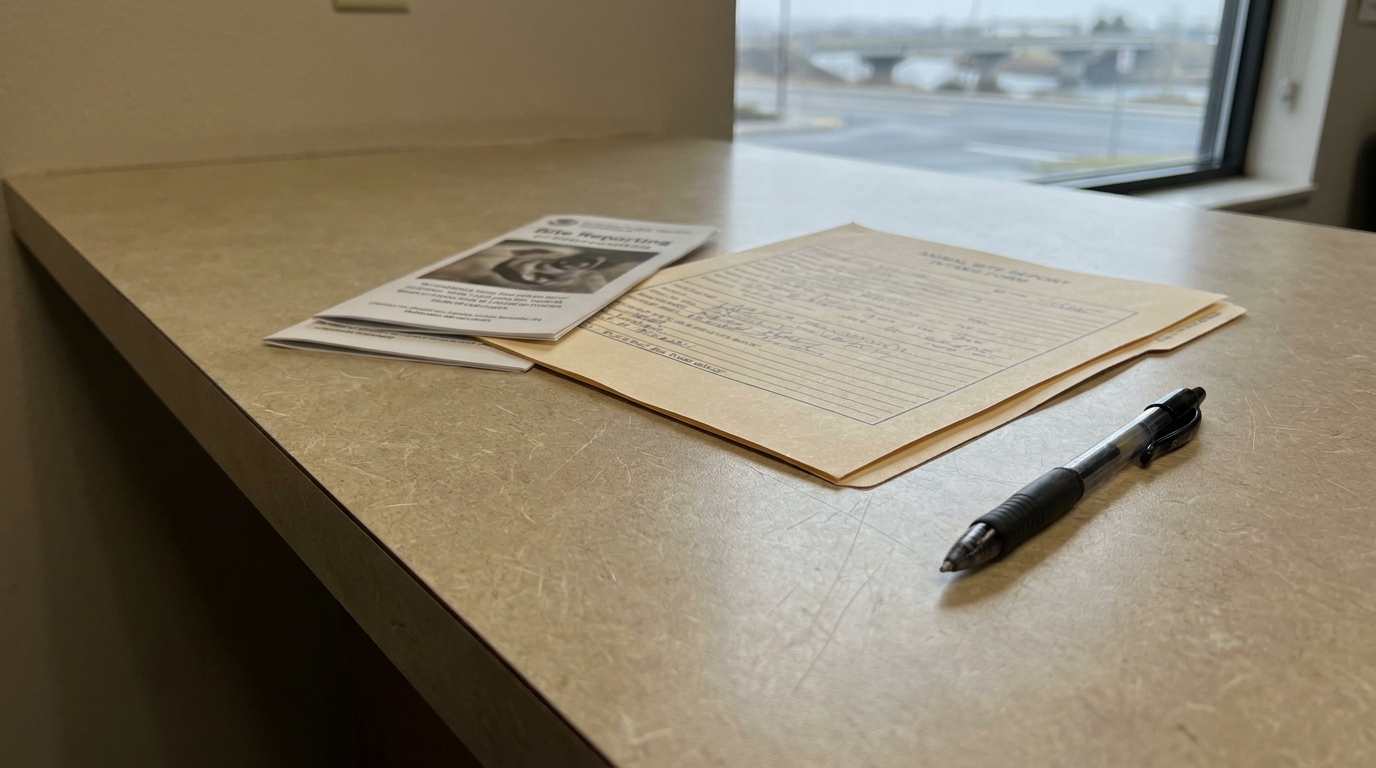
Washington Dog Bite Law and Strict Liability
Washington State follows a strict liability rule for dog bite injuries, one of the most victim-protective frameworks in the country. Under RCW 16.08.040, the owner of any dog that bites a person while that person is in a public place or lawfully on private property is liable for damages, regardless of the former viciousness of the dog or the owner’s knowledge of such viciousness. You do not need to prove the owner knew the dog was aggressive or had bitten someone before.
This strict liability protection applies broadly, but has limits. You must have been lawfully present at the location where the bite occurred. For example, a mail carrier on delivery, a child playing in a neighbor’s yard with permission, or a pedestrian on a public sidewalk would generally meet this requirement. The statute does not apply to lawful application of a police dog as defined in RCW 4.24.410, per RCW 16.08.040(2).
💡 Pro Tip: Even if a dog bite seems minor, seek medical attention right away. Some injuries worsen over time, and medical records created shortly after the incident serve as critical dog bite evidence in any future claim.
How to Report a Dog Bite to Richland Animal Control
Reporting the bite to the proper authority is one of the most important steps you can take after an attack. In Richland, animal control services are provided by Tri-Cities Animal Services (Tri-Cities Animal Shelter), which serves Kennewick, Pasco, and Richland under an interlocal agreement through the Tri-Cities Animal Control Authority. Under Washington law, an “animal control authority” is defined in RCW 16.08.070(5) as an entity acting alone or in concert with other local governmental units for enforcement of the animal control laws of the city, county, and state and the shelter and welfare of animals.
What to Include in Your Report
A thorough report strengthens both the public safety response and your potential legal claim. When contacting Tri-Cities Animal Services, provide:
- The date, time, and exact location of the bite
- A description of the dog, including breed, size, and color
- The dog owner’s name and address, if known
- Names and contact information of any witnesses
- Photos of your injuries and the scene of the attack
Providing detail helps animal control investigate and determine whether the dog meets the legal threshold for classification as potentially dangerous or dangerous. This classification process, separate from any civil lawsuit you may file, creates additional documentation that supports your claim.
💡 Pro Tip: Use your phone to photograph your injuries, the location, and the dog (if safe to do so) immediately after the bite. Time-stamped photos are powerful corroborating evidence.
Understanding the Dog Classification Process
Washington law distinguishes between “potentially dangerous” and “dangerous” dogs, and your report can trigger the formal classification process. Under RCW 16.08.070(1), a “potentially dangerous dog” means any dog that when unprovoked: (a) inflicts bites on a human or a domestic animal either on public or private property, or (b) chases or approaches a person upon the streets, sidewalks, or any public grounds in a menacing fashion or apparent attitude of attack, or any dog with a known propensity, tendency, or disposition to attack unprovoked, to cause injury or otherwise to threaten the safety of humans or domestic animals. A dangerous dog under RCW 16.08.070 is one that (a) inflicts severe injury on a human being without provocation on public or private property, (b) kills a domestic animal without provocation while off the owner’s property, or (c) has been previously found to be potentially dangerous because of injury inflicted on a human, the owner having received notice of such finding, and the dog again aggressively bites, attacks, or endangers the safety of humans.
The classification carries escalating legal consequences for the dog’s owner. Owners of dangerous dogs must obtain a certificate of registration, carry liability insurance or post a surety bond, and comply with strict enclosure requirements under RCW 16.08.080. If the owner fails to meet these requirements, animal control may immediately confiscate the dog under RCW 16.08.100(1), and the owner bears all confinement costs. If deficiencies are not corrected within 20 days, the dog may be humanely destroyed.
| Classification | Legal Definition (RCW 16.08.070) | Key Consequences for Owner |
|---|---|---|
| Potentially Dangerous | Unprovoked bite on a person or domestic animal; menacing approach in public | Formal notice; monitoring by animal control |
| Dangerous | Severe injury without provocation; kills domestic animal off-property; repeat attack after prior classification | Registration, liability insurance or surety bond, strict enclosure; possible confiscation |
💡 Pro Tip: When describing the attack, note whether the dog was provoked. Under RCW 16.08.060, provocation is a complete defense in Washington dog bite claims. Clearly stating the bite was unprovoked strengthens your position from the start.
Why Reporting Every Bite Matters for Your Dog Bite Claim Process
Even if your injuries seem minor, reporting creates a paper trail that could protect future victims and strengthen your case. Under RCW 16.08.100(2), if a dangerous dog belonging to an owner with a prior conviction under Chapter 16.08 attacks or bites again, the owner is guilty of a Class C felony. That prior conviction requires earlier incidents were reported. Your report may be the first official record in a pattern of dangerous behavior.
Washington’s strict liability framework under RCW 16.08.040 does not require proving a history of attacks, but documented prior incidents can still strengthen your claim. A record of previous bites may support arguments for higher damages, particularly if the owner knew the dog was dangerous and failed to act. You can learn more about reporting dog bites to Richland health officers and how the process works alongside a civil claim.
💡 Pro Tip: Keep copies of every document related to the bite, including your animal control report number, medical bills, photographs, and any correspondence with the owner or their insurance company. Organized records make the dog bite claim process significantly smoother.
What “Severe Injury” Means Under Washington Dog Bite Law
Not every dog bite qualifies as a “severe injury” under the statute, and understanding this distinction matters. RCW 16.08.070(3) defines “severe injury” as any physical injury resulting in broken bones or disfiguring lacerations requiring multiple sutures or cosmetic surgery. A minor scratch or bruise, while still compensable under the strict liability statute, may not trigger dangerous dog classification.
If your injuries meet the severe injury threshold, the stakes for the dog’s owner increase substantially. The dog may be classified as dangerous, which activates registration, insurance, and enclosure requirements. For victims, documenting whether injuries meet this definition is important in building a thorough case. Medical records describing fractures, number of sutures, or need for reconstructive procedures directly tie your injuries to this statutory language.
Breed Restrictions and Your Rights in Richland
Some dog bite victims wonder whether certain breeds are banned in Richland, but Washington law significantly limits breed-based regulations. Under RCW 16.08.110, any local breed-specific regulation is only enforceable if it includes an exemption for dogs that have passed the American Kennel Club Canine Good Citizen test or a reasonably equivalent behavioral test. This means liability in Richland depends on the individual dog’s behavior and owner’s actions, not the breed. Regardless of whether the dog is a commonly feared breed or typically gentle one, the strict liability rule under RCW 16.08.040 applies equally.
💡 Pro Tip: Do not assume a claim is weak because the dog is a smaller or less intimidating breed. Washington dog bite law focuses on the owner’s liability for the bite itself, not the breed or size of the animal.
Frequently Asked Questions
1. Do I need to prove the dog was aggressive before to file a claim in Richland?
No. Under Washington’s strict liability statute, RCW 16.08.040, the dog owner is liable for bite damages regardless of prior viciousness history. You only need to show you were bitten and were lawfully present where the bite occurred.
2. Who do I contact to report a dog bite in Richland, WA?
Contact Tri-Cities Animal Services (Tri-Cities Animal Shelter), which provides animal control services to Richland, Kennewick, and Pasco under an interlocal agreement through the Tri-Cities Animal Control Authority. Filing a report creates an official record and may initiate the classification process for the dog under Washington law.
3. Can I still file a claim if the dog bite did not cause broken bones?
Yes. The “severe injury” definition in RCW 16.08.070(3) applies to dangerous dog classification, but the strict liability statute in RCW 16.08.040 covers all bite injuries. You may recover damages for medical bills, pain and suffering, lost wages, and other losses even if the injury does not meet the severe injury threshold.
4. What happens to the dog after I report the bite?
Animal control will investigate and may classify the dog as potentially dangerous or dangerous under RCW 16.08.070. If declared dangerous and the owner fails to comply with registration, insurance, or enclosure requirements, the dog may be confiscated under RCW 16.08.100. The owner has the right to appeal the designation under RCW 16.08.080.
5. Is there a defense the dog owner can use against my claim?
Provocation is a complete defense under RCW 16.08.060. If the owner proves the victim provoked the dog, it eliminates liability under the strict liability statute. This is why clearly documenting that the bite was unprovoked is valuable when filing your report.
Protect Your Rights After a Dog Bite in Richland
Reporting a dog bite in Richland is not just a public safety measure; it is a foundational step in protecting your legal rights. Washington’s strict liability framework gives bite victims a strong starting point, but claim strength depends on timely action, thorough documentation, and understanding how the law applies to your situation. From filing a report with Tri-Cities Animal Services to preserving dog bite evidence and medical records, every step you take early on matters.
If you or a family member suffered a dog bite in Richland and want to understand your options, a Richland dog bite attorney at Telaré Law can evaluate your case. Call 509-736-3160 or contact us today to get started.