How Bend’s Winter Weather Impacts Your Car Accident Case
Weather conditions can significantly affect both the outcome of your car accident claim and how fault is determined. When rain, snow, or ice contributes to a crash in Bend, Oregon, establishing liability becomes more complex, as multiple factors must be evaluated to determine whether drivers exercised reasonable care under hazardous conditions. The Federal Highway Administration reports that approximately 21 percent of all motor vehicle crashes nationwide, nearly 1.2 million annually, are weather-related, highlighting how prevalent this issue is for accident victims. If you’ve been involved in a weather-related collision in Bend, understanding how these conditions influence your claim can help protect your right to fair compensation.
💡 Pro Tip: Document weather conditions immediately after your accident by taking photos, saving weather reports, and noting road conditions in your accident journal, this evidence can be crucial when working with your car accident lawyer in Bend.
Weather causing a stir in your accident claim? Don’t weather the storm alone. Reach out to Telaré Law today for a smooth sailing resolution. Give us a ring at 509-736-3160 or contact us to get expert guidance on navigating these tricky waters.
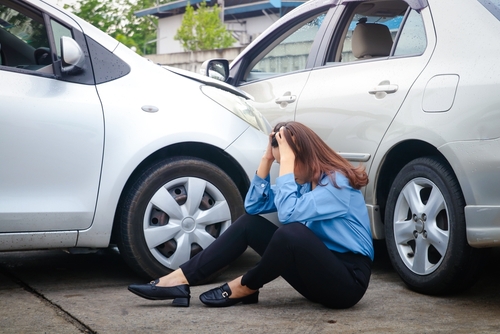
Your Rights After a Weather-Related Crash in Oregon
Oregon law recognizes that drivers must adjust their driving to match weather and road conditions, meaning that simply blaming bad weather rarely absolves a driver of liability. Under Oregon’s comparative negligence system, fault can be apportioned among multiple parties, including when weather plays a role. Even in severe weather, drivers have a duty to maintain control of their vehicles, keep safe following distances, and reduce speed when conditions warrant. This legal framework means that weather conditions don’t automatically excuse negligent driving, instead, they raise the standard of care required. Understanding these principles helps accident victims realize they may still have valid claims even when weather was a contributing factor.
💡 Pro Tip: Keep a copy of National Weather Service reports for your accident date, these official records can help your Oregon auto accident attorney establish the exact conditions when determining reasonable driver behavior.
What to Expect: Timeline for Weather-Related Accident Claims
Weather-related car accident claims in Bend often follow a more complex timeline than typical collision cases due to the additional investigation required. The process begins immediately after your accident with evidence preservation, which becomes especially critical when weather conditions may change rapidly. Insurance companies typically conduct more thorough investigations for weather-related crashes, examining road conditions, visibility factors, and driver responses to determine fault allocation. This extended investigation phase can add several weeks to your claim timeline, but thorough documentation strengthens your position.
- Initial evidence gathering and weather documentation (Days 1-7)
- Insurance company investigation and weather analysis (Weeks 2-6)
- Fault determination considering weather factors (Weeks 6-10)
- Negotiation phase with weather-adjusted liability (Weeks 10-16)
- Resolution through settlement or litigation preparation (3-12 months)
Navigating Your Weather-Related Claim with Professional Legal Support
Successfully resolving a weather-related car accident claim requires demonstrating that other drivers failed to adjust their behavior appropriately for conditions. This involves analyzing multiple factors including speed, following distance, vehicle maintenance, and driver experience. Telaré Law understands the unique challenges these cases present in Central Oregon’s variable climate. Their attorneys know how to counter insurance company arguments that attempt to shift blame entirely to weather conditions. By thoroughly investigating crash dynamics and leveraging resources like ODOT’s crash data tools, which maintain ten years of crash data including weather-related incidents, a skilled car accident lawyer Bend residents trust can build compelling cases that account for both weather factors and driver negligence.
💡 Pro Tip: Request traffic camera footage quickly, many jurisdictions only retain this evidence for 30-60 days, and it can show crucial details about visibility and road conditions during your accident.
Critical Evidence for Proving Fault in Bad Weather Accidents
Weather-related accidents require specific types of evidence that go beyond typical collision documentation. The National Weather Service warns that winter storms cause thousands of traffic injuries nationwide each year, making proper evidence collection essential for your claim. In Bend, where winter precipitation and icy surfaces materially increase crash risk, establishing the exact conditions at the time of your accident becomes paramount. This evidence helps demonstrate whether all drivers involved took appropriate precautions given the known hazards.
Official Weather Documentation Sources
Securing official weather records strengthens your claim significantly. The National Weather Service provides comprehensive winter safety resources including detailed weather alerts, hazard assessments, and snow coverage maps that your Bend personal injury lawyer can use to corroborate conditions. These official sources carry more weight than personal observations alone, as they provide objective, timestamped data about precipitation levels, temperature, wind speeds, and visibility. Additionally, ODOT’s road condition reports can document whether roads were properly maintained or if hazardous conditions were officially recognized at your accident location.
💡 Pro Tip: Screenshot real-time road condition alerts from ODOT’s TripCheck system immediately after your accident, these temporary warnings may not be archived long-term but can prove officials recognized dangerous conditions.
How Weather Affects Liability Determination in Oregon
Understanding how weather influences liability calculations helps set realistic expectations for your claim. Research from the Federal Highway Administration documents that signalized arterial speeds can decline by 10 to 25 percent on wet pavement, indicating how significantly weather impacts safe driving speeds. In Oregon’s comparative fault system, these documented speed reductions become benchmarks for evaluating whether drivers appropriately adjusted their behavior. Insurance adjusters and Oregon car crash attorneys use these standards when assessing fault percentages.
Speed and Following Distance in Adverse Conditions
Oregon law requires drivers to maintain speeds that allow them to stop within the distance they can clearly see ahead, regardless of posted speed limits. During rain or snow, this often means traveling well below normal speeds. When investigating your auto accident claim Bend adjusters will examine whether all involved drivers reduced their speeds consistent with documented safety guidelines. Failure to maintain adequate following distances in poor weather often shifts liability percentages significantly, as drivers must account for increased stopping distances on wet or icy roads. These technical assessments of driver behavior under specific weather conditions form the foundation of fault determination in weather-related crashes.
Frequently Asked Questions
Weather-Related Accident Claims in Bend
Many drivers have questions about how weather conditions affect their legal rights after an accident. Understanding these issues helps you make informed decisions about pursuing compensation.
💡 Pro Tip: Write down your questions before consulting with a Bend traffic accident lawyer, weather-related claims often involve complex liability issues that benefit from thorough discussion.
Legal Process and Compensation
The legal process for weather-related accidents requires careful attention to evidence preservation and liability analysis. Here are answers to common questions about pursuing these claims.
1. Can I still recover damages if bad weather contributed to my Bend weather car accident?
Yes, weather conditions alone don’t eliminate your right to compensation. Oregon law requires all drivers to adjust their driving for conditions, so if another driver failed to slow down, increase following distance, or otherwise drive safely for the weather, they can still be held liable for your damages.
2. How do insurance companies handle auto accident laws Oregon when weather is involved?
Insurance companies often try to minimize payouts by attributing crashes entirely to weather. However, they must still evaluate whether drivers met their duty of care under the conditions. Your insurer will investigate factors like speed, vehicle maintenance, and driver actions to determine fault percentages.
3. What evidence should I gather for my Oregon collision attorney after a weather-related crash?
Document everything possible including photos of road conditions, weather reports from the accident date, witness statements about visibility and conditions, and any road maintenance issues. Also preserve your vehicle’s condition, as tire tread and maintenance records may become relevant to your claim.
4. How long do I have to file a Bend auto accident lawsuit involving weather conditions?
Oregon’s statute of limitations for personal injury claims is generally two years from the accident date, regardless of weather involvement. However, gathering weather-related evidence becomes more difficult over time, so consulting with an attorney promptly helps preserve crucial documentation for your case.
5. Should I accept the insurance company’s initial offer for my weather-related accident?
Initial offers in weather-related accidents are often lower because insurers assume victims will accept reduced compensation due to weather involvement. Before accepting any settlement, consult with an experienced attorney who can evaluate whether the offer fairly accounts for the other driver’s failure to adjust for conditions.
Work with a Trusted Auto Accidents Lawyer
Weather-related car accidents present unique legal challenges that require thorough investigation and strategic case building. An experienced attorney understands how to gather and present evidence showing that weather conditions don’t excuse negligent driving behaviors. They can access resources like ODOT’s Crash Data Viewer, which contains detailed information about location-specific crashes in Bend, helping establish patterns and strengthen your claim. By working with legal counsel familiar with Oregon’s comparative negligence laws and how weather factors into liability determinations, you improve your chances of receiving fair compensation that reflects the true cause of your accident rather than accepting reduced settlements based on weather conditions alone.
Don’t let Bend’s unpredictable weather knock you off course in your car accident claim. Allow Telaré Law to steer you through these turbulent waters. Call us at 509-736-3160 or contact us today to secure the resolution you deserve.