
Image source: Pexels
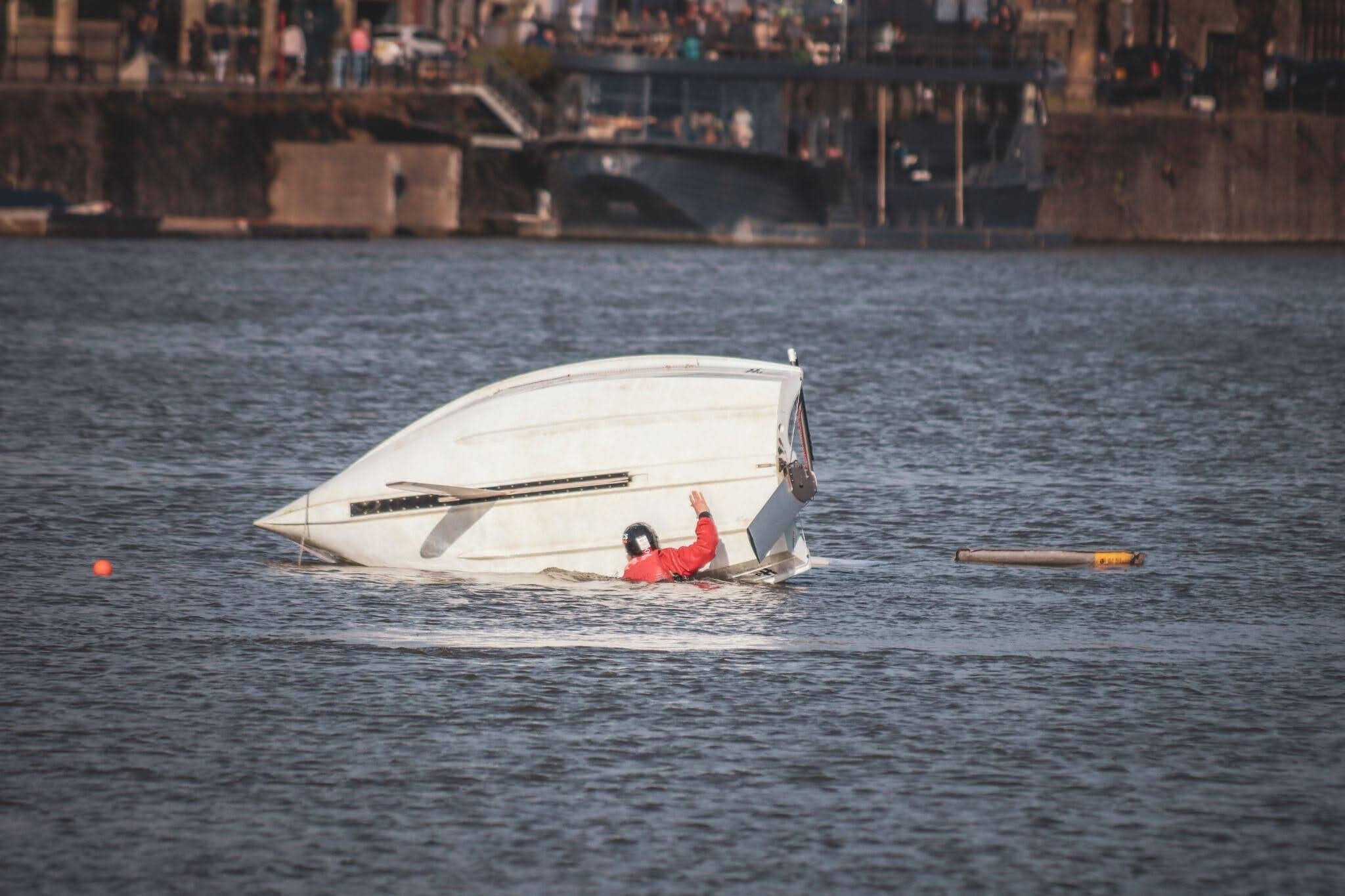
Here’s a question most people never think to ask until it’s too late: where, exactly, did your boat accident happen? For a car crash, the answer is simple. Washington roads mean Washington law. But a boat accident is different.
The same stretch of water could fall under Washington state law, federal maritime law, or both — and which one applies isn’t always obvious from where you were sitting when things went wrong. Getting this right matters because it can change what needs to be proven, what damages can be recovered, and how long you have to file.
Washington has its own boating laws under RCW 79A.60, covering everything from reckless operation to required safety equipment. But certain waterways and certain accidents can also fall under admiralty law, a body of law most people assume applies only to large commercial ships and ocean freight. In reality, it can reach recreational boats, jet skis, and accidents on lakes and rivers, depending on the specifics.
Telaré Law‘s job is to figure out which law applies to your situation and build the claim from the foundation. This directly affects what your case is worth and how it has to be pursued.
Does Washington State Law or Federal Maritime Law Apply to Your Boat Accident?
Most recreational boating accidents in Washington are handled under state law, much like a car accident would be. But certain factors can pull a claim into federal maritime jurisdiction, and when that happens, the rules change.
Washington’s Boating Law — RCW 79A.60
RCW 79A.60 is Washington’s primary boating safety statute. It covers operator responsibilities, reckless and negligent operation, boating under the influence, required safety equipment, and the duties operators owe to passengers and to other vessels. Most recreational accidents on Washington’s inland waterways — including the Columbia River, Lake Wallula, and Lake Roosevelt near Kennewick and Richland — are handled under this statute alongside Washington’s comparative fault principles in RCW 4.22.005.
When Federal Maritime Law Can Apply
Federal admiralty law can apply to accidents on “navigable waters,” and that term is broader than most people expect. Under long-standing U.S. Supreme Court precedent, navigable waters include those that are used or capable of supporting interstate or foreign commerce. In practice, that can extend federal maritime jurisdiction to certain rivers, lakes, and connected waterways throughout Washington.
When maritime law applies, it can introduce different liability standards, different damages rules, and, in some cases, shorter filing deadlines than a standard Washington personal injury claim. Because the determination is fact-specific, having a lawyer evaluate this question early can make a significant difference.
Image source: Pexels
Common Causes of Boat Accidents on Washington’s Lakes and Rivers
Washington’s waterways are busy in peak boating season. Crowded conditions, mixed experience levels, and fast-moving water all increase the risk of accidents. Many cases involve predictable patterns of negligence.
Here are some of the most common causes:
- Operator inattention and excessive speed: Busy waterways leave little room for error. When operators fail to keep a proper lookout or travel too fast for conditions, collisions become far more likely. This includes crashes between boats and accidents involving swimmers, skiers, or tubers.
- Boating under the influence (BUI): Washington treats boating under the influence similarly to DUI laws for vehicles. Alcohol and drugs significantly increase reaction times and impair judgment. Many serious accidents occur in the late afternoon or in the evening on weekends.
- Collisions with submerged hazards or other vessels: Rivers or reservoirs often contain shifting conditions, submerged debris, and changing water levels. Combined with heavy traffic, this creates a high risk of collisions and serious injuries.
- Wake-related injuries: Activities like tubing, wakeboarding, and wake surfing are popular. Sudden falls, collisions with tow vessels, or impacts from nearby boats can cause serious trauma.
- Defective equipment or poor maintenance: Mechanical failure, fuel system problems, or carbon monoxide exposure can all contribute to accidents. In these cases, liability may extend beyond the operator to manufacturers or repair services.
These causes are well-documented, and negligence is often clear in hindsight. What’s less obvious is knowing exactly where to direct a claim — and that’s where having the right legal team from the start makes a difference.
Who Can Be Held Liable in a Washington Boat Accident
A boat accident claim isn’t always a simple dispute between two boaters. Depending on the circumstances, several parties may share responsibility, and each one may represent a separate source of recovery.
- The operator of another vessel: This is the most common scenario. A negligent, distracted, or impaired operator may be fully or partially responsible for the crash. Their insurance coverage — or personal assets — may be used to compensate for injuries.
- A rental company or marina: If a rented boat or jet ski is involved, the rental company may share liability. This can include failure to provide adequate instruction, poor maintenance, or renting to someone who was clearly impaired or unfit to operate the vessel.
- A manufacturer or repair business: Mechanical failure or defective equipment can shift liability to manufacturers or maintenance providers. These cases often involve product liability or professional negligence claims.
- A government entity: Some waterways are managed by public agencies that maintain docks, navigation markers, or boat launches. Poor signage, unsafe facilities, or neglected hazards may create government liability. These claims often have shorter notice deadlines.
- The vessel owner (if different from the operator): Boat owners may be liable if they knowingly allow an unqualified or impaired person to operate their vessel. Responsibility depends heavily on the facts.
Early investigation is essential because insurance coverage often depends on identifying every responsible party. That’s why Telaré Law takes a comprehensive approach to boating accident claims, working to uncover all contributing factors and hold every negligent party accountable so you’re not left paying for someone else’s mistakes.
Injuries Common to Washington Boat Accidents — and Why Cold Water Makes Them Worse
Boating accidents often cause injuries that are more serious than they initially appear. Unlike a typical land-based accident, a boating incident can involve not only the force of a collision or a fall but also the added dangers of water exposure. Victims may suffer traumatic brain injuries ranging from mild concussions to severe head trauma that affects memory, concentration, and other cognitive functions.
Drowning and near-drowning incidents can result in oxygen deprivation, leading to long-term neurological complications even when the person survives. Propeller strikes can cause devastating lacerations and life-threatening injuries, while being thrown from a vessel or against hard surfaces can result in broken bones, spinal injuries, and other significant impact trauma.
Washington’s waters present an additional hazard because they can remain dangerously cold throughout much of the year. Cold water shock may trigger involuntary gasping, breathing difficulties, and loss of muscle control, while prolonged exposure can lead to hypothermia and worsen other injuries sustained during the accident.
Because these secondary effects can significantly increase the physical, emotional, and financial consequences of a boating accident, Telaré Law works closely with medical providers to fully document the extent of a client’s injuries and ensure any settlement or claim reflects the true impact of the incident.
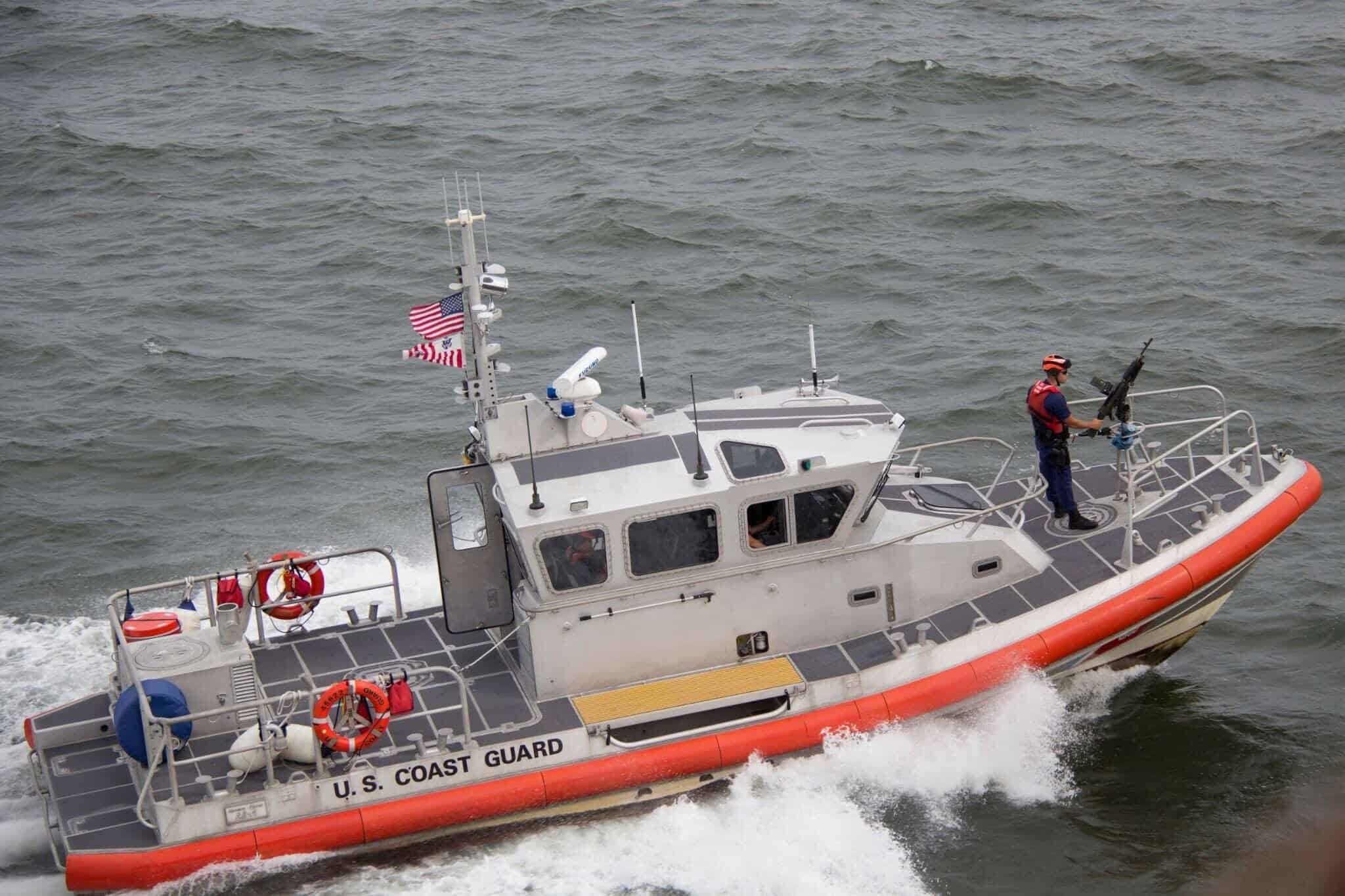
Image source: Pexels
Wrongful Death Claims on Washington Waters
Washington’s boating fatality numbers are sobering. In 2023, the state recorded 52 boating accidents, 23 of which were fatal, placing Washington third in the nation for the percentage of recreational boating accidents resulting in death. In these situations, families are often left with grief and urgent legal questions at the same time.
Washington’s wrongful death statute, RCW 4.20.010, allows certain surviving family members, such as spouses, children, and, in some cases, partners, to bring a legal claim when a death results from another party’s negligence on the water. Recoverable damages can include loss of financial support, funeral and burial costs, and loss of companionship.
If the accident occurred on waters where federal maritime law applies, a different framework, such as the Death on the High Seas Act or general maritime wrongful death principles, may govern instead of or alongside Washington’s statute. This is one of the clearest examples of why the jurisdiction question matters in practice.
Investigations into boating fatalities typically involve the Washington State Parks Boating Program and, in some cases, the U.S. Coast Guard. Their findings can be central evidence in a wrongful death claim. Telaré Law helps families understand which legal framework applies and what their options are, determining the applicable law, working with investigators’ findings, and guiding families through an extraordinarily difficult time.
What to Do After a Boat Accident in Washington
The steps taken immediately after a boat accident affect both safety outcomes and the strength of any later claim. Several of these steps are required by Washington law, not just good in practice.
- Check for injuries and get everyone out of the water. Cold water exposure is an immediate risk even for passengers who appear uninjured. Get everyone safely aboard or ashore, and assess for injuries, including those that may not be immediately apparent.
- Report the accident if required. Washington requires reporting accidents involving death, disappearance, injury needing medical treatment beyond first aid, or significant property damage to the Washington State Parks and Recreation Commission. This creates an official record that can become important evidence.
- Document the scene. Photograph vessel damage, the positions of boats involved, water and weather conditions, and any visible injuries. Unlike a road accident, the scene doesn’t stay put — document it before anything is moved or disturbed.
- Collect information. Names, contact information, vessel registration numbers, and insurance information for all operators and owners involved.
- Identify witnesses. Other boaters, people on shore, or marina staff who saw what happened. On busy waterways, there are often more witnesses than people expect.
- Seek medical evaluation, even if you feel fine. Cold water effects, head injuries, and even near-drowning symptoms can appear hours later. A prompt evaluation protects your health and creates an important record.
- Don’t give a statement to another party’s insurer first. If the other boater’s insurance company contacts you, decline a recorded statement until you’ve spoken with Telaré Law. Early statements can be used to minimize a claim later.
- Contact a Washington boat accident lawyer. Given the jurisdiction questions unique to boating cases, early legal involvement ensures the claim is built on the correct foundation from the start.
Taking these steps early can make a significant difference in both safety and the strength of any future legal claim. Once the immediate situation is under control, it becomes much easier to focus on recovery while ensuring that important evidence and legal deadlines are not missed.
Talk to a Washington Boat Accident Lawyer
If your accident happened on a lake, river, or reservoir, you may not be sure whether a personal injury lawyer can help, or whether your situation falls into some specialized maritime category you’ve heard of but don’t fully understand. That uncertainty is exactly what a free consultation is for.
Telaré Law evaluates the jurisdictional and legal framework as part of every initial case review. You don’t need to figure out whether state or federal law applies before you call. Consultations are free, and legal fees only apply if compensation is recovered. Call us at 509-736-3160 or use the contact form to get started.
Frequently Asked Questions About Washington Boat Accident Claims
Does Washington State Law or Federal Maritime Law Apply to My Boat Accident?
It depends on where the accident happened and the circumstances involved. Most recreational boating accidents on Washington’s inland lakes and rivers are handled under Washington’s boating law (RCW 79A.60) and standard negligence principles. However, certain navigable waterways and certain types of incidents can bring maritime law into play, which can affect liability standards, damages, and filing requirements. Telaré Law evaluates this question at the start of every case to make sure the claim is built on the correct legal foundation.
Do I Need a Boating License for My Claim to Be Valid?
No. Whether the operator (or you) had a boat license or a boater education card doesn’t determine whether you have a valid injury claim. What matters is whether negligent, reckless, or unlawful operation caused the accident — licensing status may be relevant context, but it isn’t the deciding factor.
What If the Other Boater Was Drinking?
Operating a vessel under the influence of alcohol or drugs is illegal in Washington under RCW 79A.60.040, with legal standards comparable to DUI laws for vehicles. If the other operator was impaired, that violation is strong evidence of negligence and may also support a claim for punitive damages in some circumstances. Telaré Law works to obtain any available evidence of impairment, including law enforcement reports from the responding agency.
What If I Was Injured on a Rental Boat or Jet Ski?
Rental companies have duties related to vessel maintenance, safety equipment, and operator instruction. If a mechanical issue, lack of proper instruction, or renting to a visibly impaired or unqualified operator contributed to your injury, the rental company may share liability alongside the operator. Rental agreements sometimes contain liability waivers, but these waivers don’t always hold up depending on the circumstances — they should be reviewed by an attorney, not assumed to be a dead end.
How Long Do I Have to File a Boat Accident Claim in Washington?
Washington’s general personal injury statute of limitations is three years from the date of the accident (RCW 4.16.080). However, if federal maritime law applies, different and sometimes shorter deadlines can come into play, and claims involving government entities — such as a state park boat launch — may require a formal notice within 60 days. Because the applicable framework isn’t always obvious, it’s important to have an attorney evaluate the timeline early rather than assume the standard three-year period automatically applies.
What If the Boating Accident Happened on a Lake or River, Not the Ocean?
Location on an inland lake or river doesn’t automatically rule out federal maritime jurisdiction, and it doesn’t automatically rule it in either — the determining factors are more specific than simply “ocean vs. not ocean.” Most accidents on Washington’s popular inland recreational waters, including those near the Tri-Cities, are handled under Washington state law. But because the maritime question can be more nuanced than location alone suggests, it’s worth having it evaluated rather than assumed.
My Family Member Died in a Boating Accident. What Should We Do?
First, allow law enforcement and the Washington State Parks Boating Program (and in some cases, the Coast Guard) to complete their investigation — their findings are often important evidence. From a legal standpoint, Washington’s wrongful death statute (RCW 4.20.010) allows certain family members to pursue a claim, though if federal maritime law applies, a different framework may govern instead. Telaré Law can help families understand which applies and what their options are, with no cost for an initial consultation.