
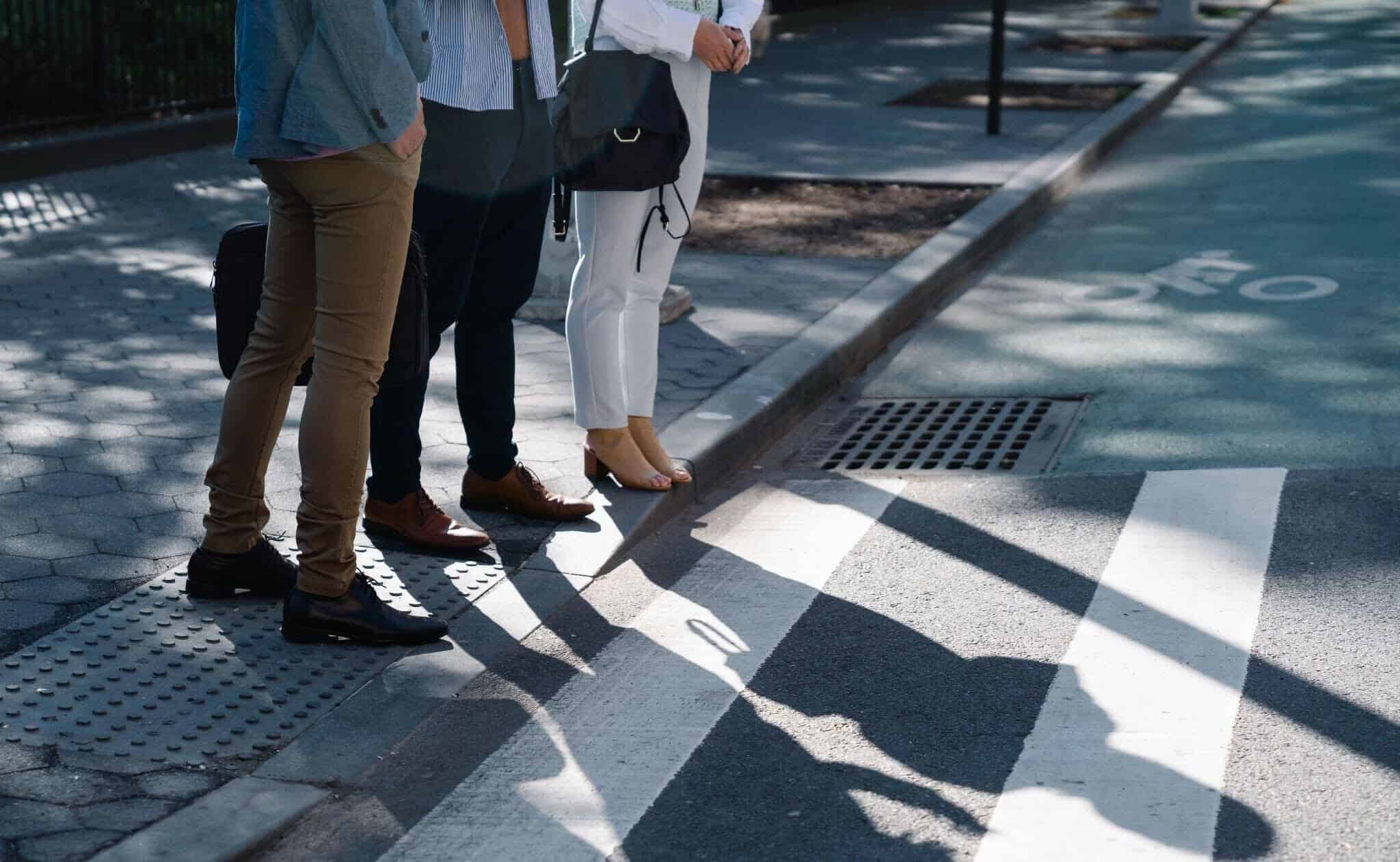
Washington law recognizes pedestrians are uniquely vulnerable in traffic. As a result, drivers must follow specific rules designed to protect people crossing streets, walking through intersections, and traveling near roadways. Even after a driver violates those rules and strikes a pedestrian, the insurance company’s first response is often to ask what the pedestrian did wrong.
That reality shapes nearly every pedestrian accident claim. In cases where the pedestrian has the right of way, and the driver’s violation is clear, insurers frequently look for ways to shift blame and reduce what they owe. Meanwhile, the injuries pedestrians suffer are often severe because they have no vehicle, airbag, or other protection to absorb the impact.
In these cases, you need a pedestrian accident lawyer like Telaré Law. We help you pursue the compensation you deserve after a collision. Our firm has years of experience leveraging Washington’s pedestrian protection laws to build claims and hold negligent drivers accountable. From the firms’ Kennewick and Richland offices, the team uses those protections to establish liability, challenge unfair fault allegations, and pursue full compensation for injured pedestrians and their families.
Washington’s Pedestrian Protection Laws — and Why They Matter for Your Claim
After a pedestrian is hit by a vehicle, insurance companies often focus on what the pedestrian could have done differently. Washington law starts with a different question: what was the driver legally required to do, and did they do it?
The answers are found in pedestrian safety laws, which often form the foundation of a claim and many of the questions we address during the legal process.
The Crosswalk Yield Requirement
Washington law requires drivers to stop and remain stopped for pedestrians crossing within marked or unmarked crosswalks at intersections. Many drivers don’t realize that a crosswalk doesn’t have to be painted to exist. The law recognizes a legal crosswalk at any intersection where two streets meet.
If a driver doesn’t yield and strikes a pedestrian in a crosswalk, that violation can become powerful evidence of negligence. Insurers often respond by arguing that the pedestrian wasn’t visible or that the pedestrian entered the roadway unexpectedly, making the facts and evidence surrounding the collision especially important.
Washington’s Distracted Driving Law
Many pedestrian collisions occur because the driver never saw the pedestrian. In some cases, the reason is simple: the driver’s attention was somewhere other than the road.
Phone records, dashcam footage, vehicle data, witness statements, and surveillance video can help establish whether distraction contributed to the collision. Telaré Law works to uncover and preserve such evidence because proving that a driver was looking at a screen rather than the roadway can significantly strengthen a pedestrian accident claim.
School Zone and Crosswalk Speed Limits
School zones and marked crosswalks often have reduced speed limits because even small speed increases can significantly increase the likelihood of a serious pedestrian injury. These laws are designed to give drivers more time to react and reduce the force of impact in a collision.
A driver who exceeds a reduced speed limit and strikes a pedestrian may face increased liability, and that violation can also influence the value of the claim. Speed is often a critical factor in both how a crash happened and the severity of the injuries that followed.
Washington’s Pure Comparative Fault Rule
In cases where a pedestrian shares some responsibility for a collision, Washington law may still allow them to recover compensation. The amount available depends on how fault is ultimately allocated between the parties involved.
Because fault directly affects claim value, insurers often focus heavily on pedestrian behavior before the crash. Telaré Law examines the full context of the collision, including traffic signals, visibility conditions, witness accounts, and evidence from the scene, to ensure that facts, rather than assumptions, support fault determinations.
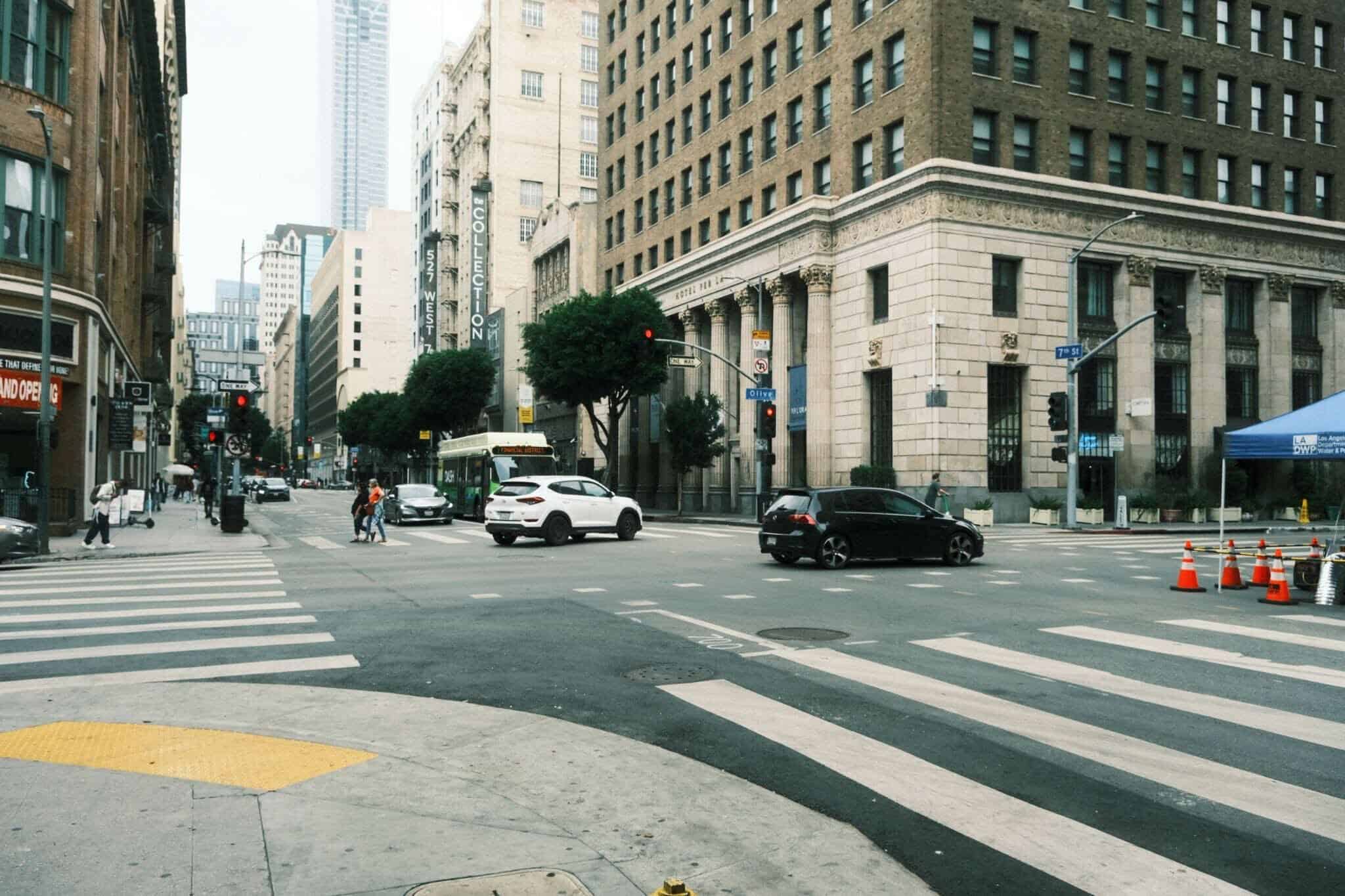
Where Pedestrian Accidents Happen in Washington — and Why Location Is Evidence
The location of a pedestrian accident is more than a detail in a police report. Where the collision occurred often determines which laws apply, what the driver was required to do, and what evidence may exist to prove what happened.
Common locations for pedestrian accidents include:
- Marked crosswalks and signalized intersections: These are often the most straightforward pedestrian accident cases because traffic signals, crosswalk markings, surveillance cameras, and witness accounts can help establish what happened. The primary questions typically involve right-of-way and whether the driver complied with traffic controls.
- Unmarked crosswalks and mid-block locations: Not every pedestrian accident occurs at a painted crosswalk. Washington recognizes unmarked crosswalks at intersections, while mid-block collisions often require closer examination of visibility, roadway design, and pedestrian behavior.
- Parking lots and private property: Pedestrian accidents often happen in parking lots, where drivers are backing up, turning, or navigating congested areas. Although these crashes may happen on private property, drivers still have a responsibility to operate their vehicles safely and watch for pedestrians.
- Rural roads and highway shoulders: Higher speeds, limited lighting, narrow shoulders, and a lack of sidewalks can all contribute to pedestrian collisions on highways and in rural areas. Investigations often focus on visibility, roadway conditions, and the actions of everyone involved.
- School zones and residential areas: These areas are specifically designed to accommodate pedestrian traffic. Reduced speed limits, crosswalks, and warning signs exist because drivers are expected to anticipate pedestrians and adjust their behavior accordingly.
Where a pedestrian is struck can affect far more than liability. It can also influence the vehicle’s speed, the force of impact, and ultimately the injuries a person suffers.
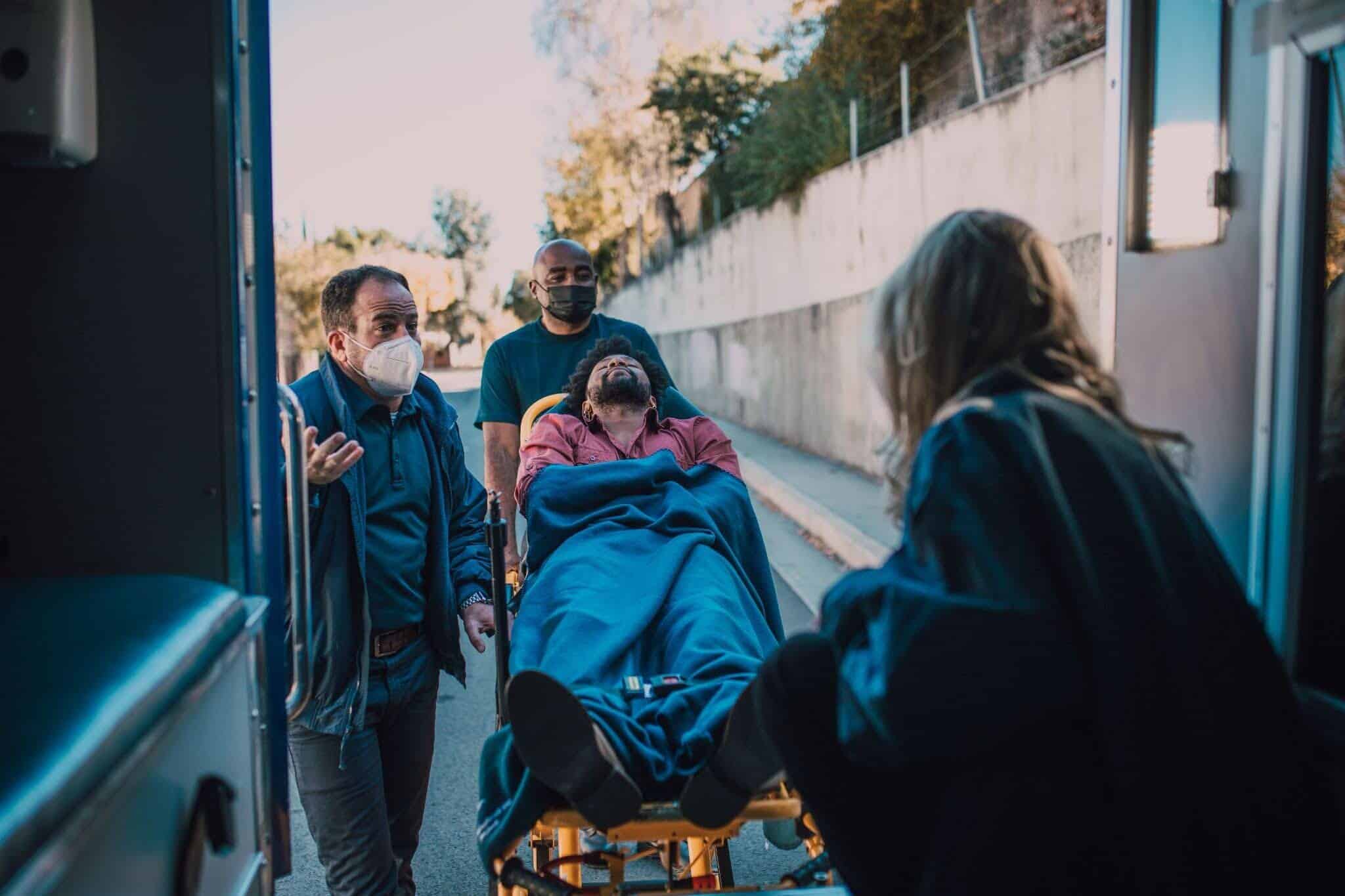
Common Pedestrian Accident Injuries
When a pedestrian is struck by a vehicle, there is no seatbelt, airbag, or steel frame to absorb the impact, as in a car accident. As a result, pedestrian accident injuries are often severe and, in some cases, life-changing.
Common pedestrian accident injuries include:
- Traumatic Brain Injuries (TBI): Concussions and more serious brain injuries can affect memory, concentration, mood, and daily functioning
- Fractures and orthopedic injuries: Broken bones, joint injuries, and torn ligaments often require surgery, rehabilitation, and extended recovery periods.
- Spinal cord and nerve damage: Injuries to the back, neck, or spinal cord can lead to chronic pain, mobility limitations, and long-term disability.
- Internal and soft tissue injuries: Internal bleeding, organ damage, and soft tissue injuries may not be immediately apparent but can require urgent medical treatment.
- Psychological trauma: Anxiety, depression, post-traumatic stress, and a fear of walking near traffic are common after serious pedestrian accidents.
The severity of these injuries often plays a significant role in determining the value of a pedestrian accident claim.
Who Is Liable in a Washington Pedestrian Accident?
Most injured pedestrians assume the driver who hit them is the only responsible party. In many cases, that’s true. But some crashes involve additional parties whose actions contributed to the collision. Identifying every potentially liable party is important because each may carry separate insurance coverage, thereby increasing the compensation available to an injured victim.
- The driver: The driver is the primary liable party in most pedestrian accidents. Common causes of liability include distracted driving, speeding, impairment, failure to yield, and other traffic law violations.
- The driver’s employer: Employers may be held responsible if the driver is working at the time of the crash. This often arises in cases involving delivery drivers, company vehicles, or employees performing work-related duties.
- The vehicle manufacturer: In rare cases, a vehicle defect, such as brake failure or a malfunctioning safety system, may contribute to a collision, creating a potential product liability claim.
- A government entity: Missing sidewalks, malfunctioning crosswalk signals, poor roadway design, or inadequate warnings may contribute to pedestrian accidents. In some situations, a city, county, or state agency may share responsibility.
- A property owner: If a collision occurs on or near private property, unsafe design features, poor maintenance, or visibility hazards may create additional liability.
Before determining who is responsible, Telaré Law investigates every potential source of liability and insurance coverage to ensure no avenue of recovery is overlooked.
What to Do After a Pedestrian Accident
The steps you take after being hit by a vehicle can affect both your health and your ability to pursue compensation. If you’ve been hit by a vehicle, consider taking the following actions as soon as possible:
- Get medical attention immediately. Serious injuries, including traumatic brain injuries and internal bleeding, may not result in immediate symptoms. Medical records also help establish a clear timeline for your claim.
- Call the police. A police report can be one of the most important pieces of evidence in a pedestrian accident case.
- Document the scene if you’re able. Photographs of the roadway, vehicle, traffic controls, and visible injuries can help preserve important evidence.
- Get witness information. Independent witnesses can provide valuable information about how the collision occurred.
- Contact a Washington pedestrian accident lawyer. Evidence can disappear quickly after a crash, making early legal involvement particularly important.
When retained early, Telaré Law sends preservation requests for traffic camera footage and video footage before it’s lost, takes over communications with the insurance company, helps document injuries and treatment, and investigates the scene while physical evidence remains available.
Pedestrian Accidents and Wrongful Death Claims in Washington
In instances where a pedestrian accident results in a death, the legal issues facing a family are different from those involved in an injury claim. In addition to coping with an unexpected loss, surviving family members may have the right to pursue a wrongful death claim under Washington law.
In general, wrongful death claims allow certain surviving family members to seek compensation when another person’s negligence causes a death. Depending on the circumstances, recoverable damages may include funeral and burial expenses, lost financial support, loss of companionship, and other losses experienced by surviving family members.
That said, Washington law limits who may bring a wrongful death claim. Surviving spouses, registered domestic partners, and children generally have priority, while parents and siblings may have rights when no spouse, partner, or children survive the deceased.
Telaré Law represents families in wrongful death cases arising from pedestrian accidents. It approaches these claims with the same thorough investigation used in serious injury matters, including liability analysis, damages evaluation, and litigation when necessary.
Contact Telaré Law for Pedestrian Accidents in Washington
Pedestrian accident cases often involve some of the most serious injuries a person can experience. In the most tragic situations, families are left grieving the loss of a loved one while also trying to understand what happened and what comes next.
While the legal process can’t undo a catastrophic injury or replace someone who has been lost, it can provide answers and establish accountability, so injured pedestrians and their families aren’t left to carry the financial consequences of someone else’s negligence.
Telaré Law approaches pedestrian accident cases with a thorough investigation from the start. The firm works to identify all potentially responsible parties, preserve critical evidence, document the full extent of damages, and build claims that accurately reflect what victims and families have lost.
Whether you are recovering from a serious injury or seeking answers after a fatal accident, the goal is the same: to protect your legal rights while allowing you to focus on your health, your family, and your future.
To discuss your case, contact Telaré Law at our Washington office at 509-736-3160 for a free consultation.
Frequently Asked Questions About Washington Pedestrian Accident Claims
Does Washington Law Require Drivers to Stop for Pedestrians at All Crosswalks?
Yes. Under RCW 46.61.235, Washington drivers must stop and yield to any pedestrian crossing in a marked or unmarked crosswalk at any intersection. This applies even when the crosswalk has no painted lines — every intersection corner in the state carries a legal crosswalk. A driver who strikes a pedestrian at any intersection has, in most cases, violated this statute directly, which is evidence of negligence in a personal injury claim. Insurers who argue the pedestrian “wasn’t in a crosswalk” need to be challenged on that characterization — and Telaré Law does exactly that.
What If the Pedestrian Was Crossing Against the Signal or Outside a Crosswalk?
Washington’s pure comparative fault rule (RCW 4.22.005) means that a pedestrian who shares some fault for the crash can still recover compensation, reduced by their share of fault. A pedestrian found 30% at fault can still recover 70% of the total damages. Insurers will attempt to assign the pedestrian as much fault as possible to reduce what they owe. Telaré Law challenges those assignments with signal timing data, physical evidence, and scene reconstruction to arrive at a fair, accurate fault percentage — not the inflated one the insurer prefers.
What If the Driver Who Hit Me Fled the Scene?
Hit-and-run pedestrian accidents are more common than most people realize. If the driver cannot be identified, the victim’s own auto insurance — specifically uninsured motorist (UM) coverage — may apply even though the victim was on foot at the time of the crash. Telaré Law investigates all available insurance coverage in hit-and-run cases and, when possible, works with law enforcement evidence to help identify the vehicle or driver. Recovery in these cases is often still achievable.
How Long Do I Have to File a Pedestrian Accident Lawsuit in Washington?
Washington’s personal injury statute of limitations is generally three years from the date of the accident (RCW 4.16.080). However, this timeline shortens sharply when a government entity is involved — a city bus, county vehicle, or roadway defect may require a formal tort claim notice within 60 days. More immediately, traffic camera footage is typically overwritten within 30 to 72 hours of the crash. Calling Telaré Law as soon as possible protects the evidence that often determines the outcome of the entire case.
Can I Sue the City or County If a Broken Signal or Missing Sidewalk Contributed to the Accident?
Potentially yes. If infrastructure failure contributed to the crash — a broken pedestrian signal, inadequate crosswalk lighting, an unmarked high-speed crossing, or a missing sidewalk that forced pedestrian traffic into the roadway — the responsible government entity may share liability. Government liability claims in Washington require specific procedures and carry short notice deadlines that can be as brief as 60 days. This angle needs to be evaluated immediately and cannot be treated as an afterthought.
What If the Driver Was Uninsured?
Washington requires minimum liability insurance, but not all drivers comply. If the at-fault driver has no coverage or inadequate coverage, your own uninsured/underinsured motorist (UM/UIM) policy may apply — even as a pedestrian who was not in a vehicle. Telaré Law reviews every available insurance policy and explores all sources of compensation before concluding that coverage is insufficient.
My Loved One Was Killed in a Pedestrian Accident. Do We Have a Claim?
Yes. Washington’s wrongful death statute (RCW 4.20.010) allows surviving family members — including spouses, children, and in some circumstances parents — to bring a claim for damages, including loss of financial support, funeral expenses, and loss of companionship. The filing process and deadlines differ from personal injury claims, and situations involving government vehicles or infrastructure create even shorter notice windows. Telaré Law handles wrongful death claims arising from pedestrian accidents and can advise surviving family members on their specific rights during a free, no-obligation consultation.