The Deadly Math Behind Washington’s Motorcycle Crashes
Key Takeaways: Motorcycles represent only 3% of registered vehicles in Washington yet account for roughly 16% of road deaths, driven by riders’ exposure, poor visibility, and absence of physical protection. Washington and Oregon both prohibit lane splitting, though Washington permits limited two-abreast riding. The state’s pure comparative fault system reduces but doesn’t bar recovery when a rider is partly at fault, and hit-and-run drivers face serious felony penalties. Most injury claims must be filed within three years under RCW 4.16.080, and minimum insurance limits often fall short of catastrophic-injury costs, making underinsured motorist coverage critical.
Motorcycles make up roughly 3% of registered vehicles in Washington, yet they account for about 16% of the state’s road deaths. That gap isn’t a coincidence or simply rider behavior. Riders are exposed, harder for other drivers to see, and offered little physical protection in a collision, the same impact that dents a car door can end a motorcyclist’s life. Understanding what drives these Washington motorcycle fatalities helps crash victims and grieving families recognize when someone else’s negligence caused their loss.
If you or a loved one was hurt in a Tri-Cities crash, the team at Telaré Law can help you understand your options. Call 509-736-3160 for a conversation about your situation, or reach out through the firm’s contact page to get started today.
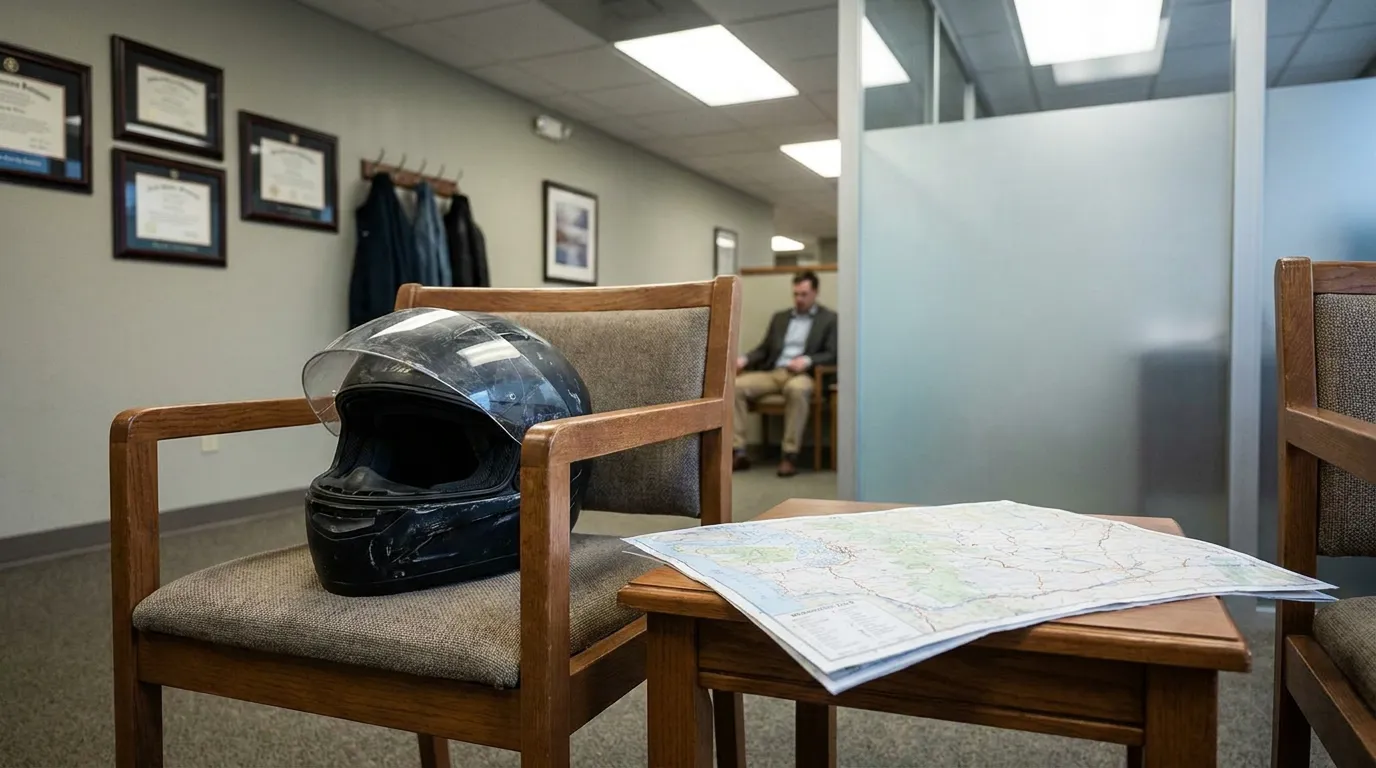
Why Motorcyclists Face Outsized Risk on Richland Roads
Several overlapping factors explain why motorcycle crash statistics look so grim compared to the number of bikes on the road. Visibility is a persistent problem, and many multi-vehicle collisions begin when a driver fails to see a rider before turning or changing lanes. Speed differentials, distracted driving, and impaired motorists compound the danger.
The Physics of Vulnerability
A motorcyclist has no crumple zone, airbag, or steel cage to absorb crash forces. That physical reality is why relatively minor contact can produce catastrophic injuries such as traumatic brain injury, spinal cord damage, or amputation. For families researching how these cases unfold, Telaré Law’s deep dive into motorcycle crash statistics offers helpful context on how severity translates into legal claims.
Helmets and Safety Equipment
Protective gear meaningfully influences whether a crash is survivable, and state helmet requirements vary widely. Washington enforces a universal helmet law, while other states take a lighter approach, as reflected in national comparisons of motorcycle helmet laws. Rider safety equipment doesn’t prevent every injury, but it can affect both crash outcomes and how insurers evaluate a claim.
💡 Pro Tip: After any crash, photograph your helmet and gear before repairing or discarding them. Damaged equipment can become important evidence of impact forces in a motorcycle injury claim.
Is Lane Splitting Legal in Oregon or Washington?
A common question riders ask is whether lane splitting is permitted, and in both Washington and Oregon the answer is no. Washington law expressly prohibits operating a motorcycle between lanes of traffic or between adjacent lines or rows of vehicles. When riders wonder is lane splitting legal in Oregon, the short answer is that Oregon has likewise declined to authorize it.
The prohibition matters for liability as much as for safety. Under RCW 46.61.608, lane splitting Washington rules can affect how fault is assigned if a rider is weaving between vehicles at the moment of a crash. An illegal maneuver by a rider doesn’t automatically end a claim, however.
Washington does carve out one narrow allowance for group riding. Motorcycles shall not be operated more than two abreast in a single lane, which means two riders may legally share a lane side by side but no more. You can review the full statutory language on lane use in RCW 46.61.608 rider rules published by the state legislature.
Washington’s Rules of the Road for Riders
Washington grants motorcyclists strong lane rights that can establish another driver’s fault after a collision. The statute is direct: all motorcycles are entitled to full use of a lane and no motor vehicle shall be driven in such a manner as to deprive any motorcycle of the full use of a lane. When a motorist crowds a rider out of a lane in a Richland crash, that encroachment can be powerful evidence of negligence.
Equipment and Off-Road Motorcycles
Off-road motorcycles operated on public roads must meet strict equipment standards before they are street legal. Under RCW 46.61.705, these bikes must have head lamps, tail lamps, stop lamps, reflectors, brakes, mirrors, a windshield or eye protection, a horn, tires, turn signals, and fenders. Riders of these machines have the same rights and duties as any motorcycle operator, and violations are treated as traffic infractions.
💡 Pro Tip: Keep maintenance and inspection records for your motorcycle. Documentation showing your bike met equipment standards can help rebut an insurer’s argument that an equipment gap contributed to the crash.
When a Driver Flees the Scene
Washington treats hit-and-run cases involving vulnerable riders with particular seriousness. Any driver in a crash causing injury or death must stop, remain at the scene, exchange identifying and insurance information, and render reasonable aid to anyone hurt. Under RCW 46.52.020, failure to stop or comply in an accident resulting in death is a class B felony, and in an accident resulting in injury is a class C felony.
Proving Fault and Protecting Your Recovery
Washington follows a pure comparative fault system, which means a rider’s own share of fault reduces but does not eliminate compensation. The controlling statutes provide that any contributory fault chargeable to the claimant diminishes proportionately the amount awarded as compensatory damages for an injury attributable to the claimant’s contributory fault, but does not bar recovery.
When more than one party contributes to the same harm, recovery options can expand. In Washington, the general rule is proportionate several liability, meaning each defendant is ordinarily responsible only for its own percentage of fault. Joint and several liability, which allows an injured party to collect the full award from any single defendant, is now the exception, retained mainly when the claimant is found entirely fault-free or when defendants acted in concert.
Wrongful death claims carry an important wrinkle for grieving families. In these cases, the contributory fault of the decedent shall be imputed to the claimant in that action, which can reduce a family’s recovery based on the rider’s own conduct. Because these determinations turn on accident reconstruction, medical records, and witness testimony, families should not assume a partial-fault finding forecloses meaningful compensation.
Common challenges in these cases include:
- Insurers arguing the rider was “invisible” or partly at fault to justify lowball offers
- Serious injuries whose long-term costs are unclear early in treatment
- Multiple potentially responsible drivers or entities
- Disputes over whether equipment or maneuvers like lane splitting contributed
💡 Pro Tip: Avoid giving a recorded statement to the other driver’s insurer before speaking with counsel. Casual remarks about your riding can be used to inflate your comparative fault percentage.
Deadlines and Coverage That Shape a Motorcycle Injury Claim
Washington sets a three-year window for most personal injury lawsuits, and missing it can permanently bar a claim. RCW 4.16.080, titled “Actions limited to three years,” requires that these actions be commenced within three years, including subsection (2) covering any other injury to the person or rights of another. The same three-year limit generally applies to damage to personal property such as a motorcycle.
Deadline exceptions exist, but courts interpret them narrowly. Tolling and discovery-rule arguments may apply in limited circumstances, and they are never automatic. Civil statutes of limitations are also separate from any government administrative claim deadlines, which can be shorter, so timing should be confirmed early.
Insurance coverage limits often determine how much of a serious injury can actually be compensated. Washington’s minimum liability requirements set floors of $25,000 per person and $50,000 per accident for bodily injury, plus $10,000 for property damage under RCW 46.29.090(1). Because catastrophic injuries frequently exceed those minimums, exploring underinsured motorist coverage and every available policy is a core part of pursuing full recovery. A knowledgeable is lane splitting legal in Oregon lawyer can help identify coverage sources that victims often overlook.
| Coverage Type | Washington Minimum |
|---|---|
| Bodily injury, one person | $25,000 |
| Bodily injury, per accident | $50,000 |
| Property damage | $10,000 |
Frequently Asked Questions
1. Does being partly at fault stop me from recovering damages?
Generally, no. Washington’s pure comparative fault system reduces your award by your percentage of fault but does not bar recovery outright. The exact reduction depends on how fault is apportioned based on the evidence.
2. How long do I have to file a motorcycle injury claim in Washington?
In most cases, three years from the date of the crash. RCW 4.16.080 sets that window for personal injury and property damage, though limited exceptions may apply. Confirming your deadline early is the safest approach.
3. Is lane splitting legal in Oregon or Washington?
No, both states prohibit riding between lanes or rows of vehicles. In Washington, RCW 46.61.608 forbids the practice, and Oregon has not authorized it either. Only limited two-abreast riding within a single lane is permitted in Washington.
4. What should I do if the driver who hit me left the scene?
Report it to law enforcement immediately and preserve any evidence. Leaving the scene of an injury or fatal crash carries felony penalties under RCW 46.52.020, and your own uninsured motorist coverage may provide a recovery path when the fleeing driver cannot be identified.
Moving Forward After a Richland Motorcycle Crash
The statistics are sobering, but they don’t have to define your outcome. Washington law gives injured riders and grieving families meaningful rights, from full lane-use protections to a comparative fault rule that preserves recovery even when the rider bears some responsibility. Building a strong case takes prompt attention to deadlines, careful preservation of evidence, and a clear-eyed look at every available insurance source.
If you are ready to protect your rights after a Tri-Cities crash, the attorneys at Telaré Law are prepared to help you pursue fair compensation. Call 509-736-3160 or send your details through the firm’s online contact form to discuss the road ahead.