Snoqualmie Pass Semi-Truck Crashes: What Injured Travelers Need to Know
Key Takeaways: I-90 at Milepost 53 near Snoqualmie Pass sees more than 30 reported collisions each year, driven by steep grades, sudden weather shifts, and heavy freight traffic. Fully loaded semi-trucks can cause catastrophic injuries when they lose control on wet or icy pavement. Washington follows a pure comparative fault rule, so an injured person’s recovery may be reduced but not eliminated by their own share of blame, and fault can be allocated among multiple responsible parties. Most personal injury claims must be filed within three years, though death claims and claims against government entities follow separate timing rules. Injured people may pursue recovery from the driver, motor carrier, and insurer. Preserving evidence such as driver logs, maintenance records, and documentation of road and weather conditions early is critical to establishing fault.
If you are asking whether I-90 near Snoqualmie Pass is the most dangerous highway in Washington State, the crash data at Milepost 53 offers a sobering answer. This mountain corridor sees more than 30 reported collisions each year at a single milepost, with heavy commercial trucks frequently involved. Steep grades, sudden weather shifts, and dense freight traffic combine to make this stretch particularly hazardous. For people injured in a semi-truck crash here, understanding Washington’s liability and deadline rules is often the first step toward meaningful recovery.
If you or a loved one were hurt in a collision along this corridor, the team at Telaré Law is ready to help. Call our office at 509-736-3160 or reach out through our online case review form to discuss what happened and what steps may protect your claim.
Why I-90 Milepost 53 Sees So Many Collisions
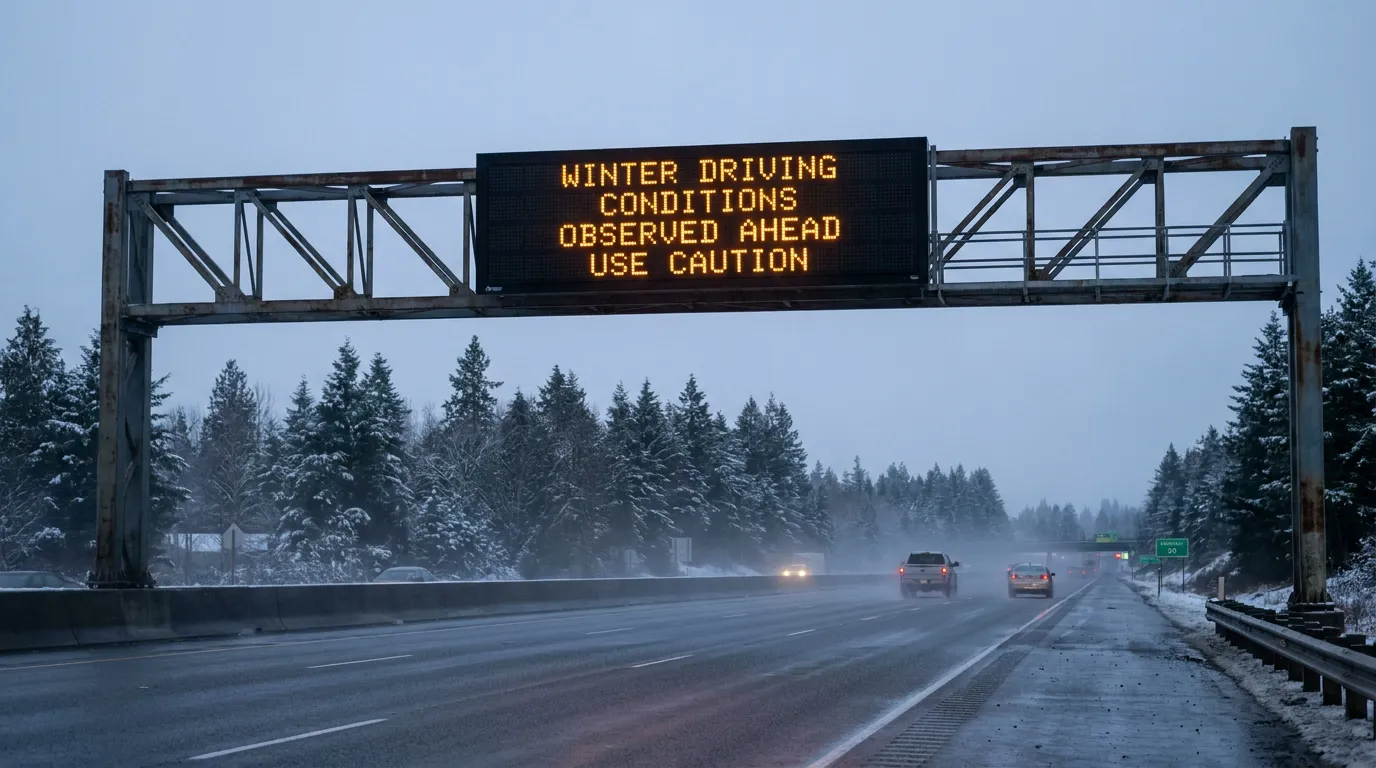
Milepost 53 sits in the heart of the Snoqualmie Pass climb, where geography and traffic volume create ongoing risk. The pass draws constant freight traffic between Western and Eastern Washington. When commercial trucks share tight lanes with passenger vehicles on wet or icy pavement, the margin for error shrinks dramatically.
Weather is one of the biggest factors driving Snoqualmie Pass accident statistics. Snow, black ice, fog, and rapid temperature drops can turn a routine drive into a chain-reaction pileup within seconds. Because a fully loaded semi can weigh many times more than a car, even low-speed loss of control can cause catastrophic, multi-system injuries.
💡 Pro Tip: After any I-90 truck accident, photograph road and weather conditions if you safely can. These details often disappear within hours and can help establish how the crash actually happened.
The Human Cost Behind the Numbers
Behind every statistic at this milepost is a person whose life changed in an instant. Victims of a semi-truck crash on I-90 frequently face spinal injuries, traumatic brain injuries, and long recoveries that keep them out of work for months. Families in Richland, Kennewick, and the surrounding region often shoulder mounting medical bills while trying to understand who is responsible.
What Makes This the Most Dangerous Highway in Washington State
The combination of mountain terrain, extreme weather, and heavy commercial traffic is why many consider I-90 the most dangerous highway in Washington State. Washington highway crash data consistently shows that corridors mixing freight volume with challenging conditions produce a disproportionate share of serious collisions.
Commercial trucks on this route must meet strict federal and state safety standards, and violations often surface during crash investigations. Under Washington’s motor carrier safety statute, RCW 46.32.085 directs the Washington State Patrol to adopt rules at least as rigorous as the federal regulations at 49 C.F.R. Parts 40 and 380 through 397. Those rules cover driver training, controlled substance and alcohol testing, vehicle equipment, hours of service, and vehicle inspection. When a carrier cuts corners, that failure can become central to proving negligence.
If you want to learn more about high-risk corridors across the state, our overview of the most dangerous highways in Washington explains how location-specific hazards affect injury claims.
💡 Pro Tip: Driver logs, electronic control module data, and maintenance records can be overwritten or lost. A prompt written request to preserve this evidence may protect information that proves fault.
How Washington Assigns Fault After a Semi-Truck Crash
Washington follows a pure comparative fault rule, which means an injured person’s own share of fault reduces but generally does not eliminate their recovery. Under RCW 4.22.005, any contributory fault chargeable to the claimant proportionately diminishes the compensatory damages awarded, but it does not bar recovery outright. This matters at high-crash locations, because insurers often argue that the victim shared some blame.
The definition of “fault” in Washington is broad and covers more than simple carelessness. RCW 4.22.015 defines fault to include acts or omissions that are negligent or reckless, along with unreasonable assumption of risk and unreasonable failure to mitigate damages. That same statute directs that a comparison of fault consider both the nature of the parties’ conduct and the causal relationship between that conduct and the resulting damages.
Multiple Defendants and Proportionate Shares
When more than one party contributes to a crash, Washington courts allocate fault among all responsible entities. Under RCW 4.22.070(1), the trier of fact determines the percentage of total fault attributable to every entity that caused the claimant’s damages, and the allocated percentages must total 100 percent. Several liability is the default, so each defendant is generally responsible only for its proportionate share.
This allocation rule is especially relevant to pileups on the pass, where several drivers or carriers may share responsibility. A thorough investigation identifies contributing parties who might otherwise escape accountability.
💡 Pro Tip: Do not assume a partial-fault argument ends your case. Under comparative fault principles, you may still recover a reduced amount even if you were partly responsible.
Deadlines That Can Determine Whether You Recover
In most Washington personal injury cases, injured people have three years from the date of the crash to file a lawsuit. The three-year limitations period is set out in RCW 4.16.080, which requires that actions for injury to the person be commenced within three years. Missing this deadline typically bars recovery.
Certain narrow exceptions can affect when a claim accrues, but courts interpret them cautiously. For example, RCW 4.16.080(4) provides that a fraud claim does not accrue until the aggrieved party discovers the facts constituting the fraud. Discovery and tolling doctrines apply only in limited circumstances.
Claims involving a death carry their own timing provisions. RCW 4.16.200 provides that if a person entitled to bring an action dies before the deadline and the cause of action survives, a representative may generally commence the action within one year from the death, subject to the claims limitations of chapter 11.40 RCW.
Claims against government entities follow a separate track. Because some pass-area hazards may involve conditions maintained by state agencies, a potential claim against Washington state generally requires filing a tort claim notice under RCW 4.92.110 and observing a 60-day waiting period before litigation.
Here is a simplified comparison of common deadlines that may apply:
| Type of Claim | General Timing Rule | Governing Authority |
|---|---|---|
| Personal injury | Three years from injury | RCW 4.16.080 |
| Wrongful death (representative) | One year from death, if action survives | RCW 4.16.200 |
| Claim against state | Tort claim notice plus 60-day wait | RCW 4.92.110 |
Timing rules depend on the specific facts, and exceptions may apply. This table is general information, not legal advice.
Who May Be Responsible and How Compensation Works
A single truck crash can involve several potential sources of recovery beyond the driver alone. Under negligence and vicarious liability principles, an injured person may pursue claims against the driver, the motor carrier that employed or contracted with the driver, and the carrier’s insurer. Identifying every responsible party early can be essential to full recovery.
Insurance and financial responsibility requirements also shape what compensation may be available. Interstate freight carriers are generally required under federal law (49 C.F.R. Part 387) to maintain minimum levels of financial responsibility, commonly at least $750,000 for general freight, with higher limits for carriers hauling hazardous materials.
Potential damages after a serious commercial truck collision often include:
- Past and future medical treatment and long-term care
- Lost income and diminished earning capacity
- Pain, suffering, and loss of enjoyment of life
- Loss of consortium for affected family members
Working with an experienced Richland Washington truck accident lawyer can help you evaluate which parties and coverages may apply to your situation.
Frequently Asked Questions
1. How many crashes really happen at I-90 Milepost 53?
Reports indicate more than 30 collisions strike this milepost near Snoqualmie Pass each year. Commercial trucks are frequently involved.
2. What if I was partly at fault for the crash?
Under RCW 4.22.005, Washington follows pure comparative fault. Your recovery may be reduced by your percentage of fault, but in many cases it is not eliminated entirely.
3. How long do I have to file a claim?
RCW 4.16.080 generally allows three years for personal injury claims. Deadlines involving death claims or government entities differ, so acting promptly is wise.
4. Can I sue more than the truck driver?
Possibly. Depending on the facts, the motor carrier and its insurer may also be responsible under negligence and vicarious liability principles, and multiple defendants may each bear a proportionate share of fault.
5. What evidence matters most in an I-90 truck accident?
Driver logs, maintenance records, electronic data, and documentation of road and weather conditions are often critical. Much of this evidence can be lost quickly without prompt preservation efforts.
Protecting Your Rights After a Snoqualmie Pass Collision
The high crash count at I-90 Milepost 53 reflects genuine and ongoing danger for everyone who travels this corridor. Washington’s comparative fault rules, strict motor carrier standards, and firm filing deadlines all shape whether injured people can recover full compensation. Understanding these principles early can make a meaningful difference for victims and their families.
If a semi-truck crash on I-90 has upended your life, the attorneys at Telaré Law are prepared to investigate the records that matter and pursue the compensation you may be owed. Call 509-736-3160 today or contact us through our confidential consultation request to take the next step toward protecting your rights.