Understanding Washington’s Dog Bite Liability Rules
Key Takeaways: Under Washington’s strict liability framework, the person legally responsible for a dog bite is almost always the dog’s “owner,” and identifying that person is central to recovering compensation. The owner is generally liable when a dog bites someone who was lawfully present, regardless of the dog’s prior behavior, meaning Washington rejects the “one-bite rule.” The owner is typically whoever keeps and controls the animal, but household members, long-term foster caretakers, landlords, and handlers may all qualify depending on the facts. These distinctions affect insurance coverage, such as whether a claim reaches a homeowner’s or renter’s policy. Strict liability applies only to bites, so non-bite injuries require negligence theories, and one exception exists for lawful use of police dogs. A careful factual review is essential to protecting your rights.
If you were bitten by a dog in Richland, Kennewick, or anywhere in Washington, the person legally responsible is almost always the dog’s “owner,” and identifying who that is can determine whether you recover compensation. Washington follows a strict liability framework, meaning the owner is responsible when a dog bites someone, without proving the dog was previously dangerous. The owner’s liability applies regardless of prior behavior, meaning Washington rejects the “one-bite rule,” so an owner can be liable even for a first-time incident. Understanding who qualifies as an owner is the first step toward protecting your rights.
If you or your child suffered a serious dog bite injury, the team at Telaré Law is ready to help you understand your options. You can call our office at 509-736-3160 or reach out through our online contact form to discuss what happened.
The Strict Liability Standard That Protects Bite Victims
Washington places responsibility for dog bites squarely on the owner through statute. Under the state’s civil dog bite law, the owner is liable for harm when the victim was lawfully present. The statute provides that the owner of any dog which bites a person while that person is in or on a public place or lawfully in or on a private place, including the property of the owner, is liable for damages suffered, regardless of the former viciousness of the dog or the owner’s knowledge of that viciousness. You can read the full text of RCW 16.08.040 to see how the legislature framed this responsibility.
This is a powerful tool for victims because it removes a common defense. In many states, an owner can argue the dog had never bitten anyone before, sometimes called the “one free bite” defense. Washington applies strict liability, meaning a dog’s prior viciousness and the owner’s knowledge are legally irrelevant. That said, strict liability is not absolute, because the statute requires the victim was lawfully present, and an owner may raise defenses such as trespass or provocation. In practice, this lets a victim focus on documenting injuries rather than proving the owner’s state of mind.
💡 Pro Tip: Preserve evidence early. Photograph your injuries, save torn clothing, and write down the date, location, and names of any witnesses while your memory is fresh.
Where the Bite Happened Can Determine the Outcome
Location is a threshold condition for strict liability. Liability under the statute is conditioned on where the victim was bitten, in a public place or lawfully on private property, including the owner’s own property. A postal worker, delivery driver, or invited guest generally has a right to be where they were, which supports a claim. Someone unlawfully on private property may face a defense, and because consent to be on the property is not presumed when the property is fenced or posted, courts examine these facts closely.
Bites Versus Other Dog-Related Injuries
The statutory strict liability rule is limited to bites. If a dog knocks someone down, causes a fall, or injures a person without biting, the strict liability statute does not apply. For injuries other than bites, a victim must rely on common-law negligence. This distinction affects how a claim is built.
Defining Who Counts as a Dog “Owner”
Because the statute keys liability to the “owner,” identifying that person is the central legal question. The statute places liability on “the owner of any dog,” and Washington case law has extended this to include a person who keeps or harbors the dog. In everyday situations, the owner is the person who keeps and controls the animal, but living arrangements are not always simple. Multiple households, rescue placements, and shared custody can complicate the analysis.
Several categories of people may fit the owner role. Courts and insurers often look at who feeds, houses, and controls the dog. The following situations frequently raise questions:
- A household member or family member who keeps the dog at the residence
- A person caring for a rescue or foster dog on a long-term basis
- A property owner or landlord, where separate negligence principles rather than the strict liability statute typically apply
- A handler responsible for a service or show dog under their control
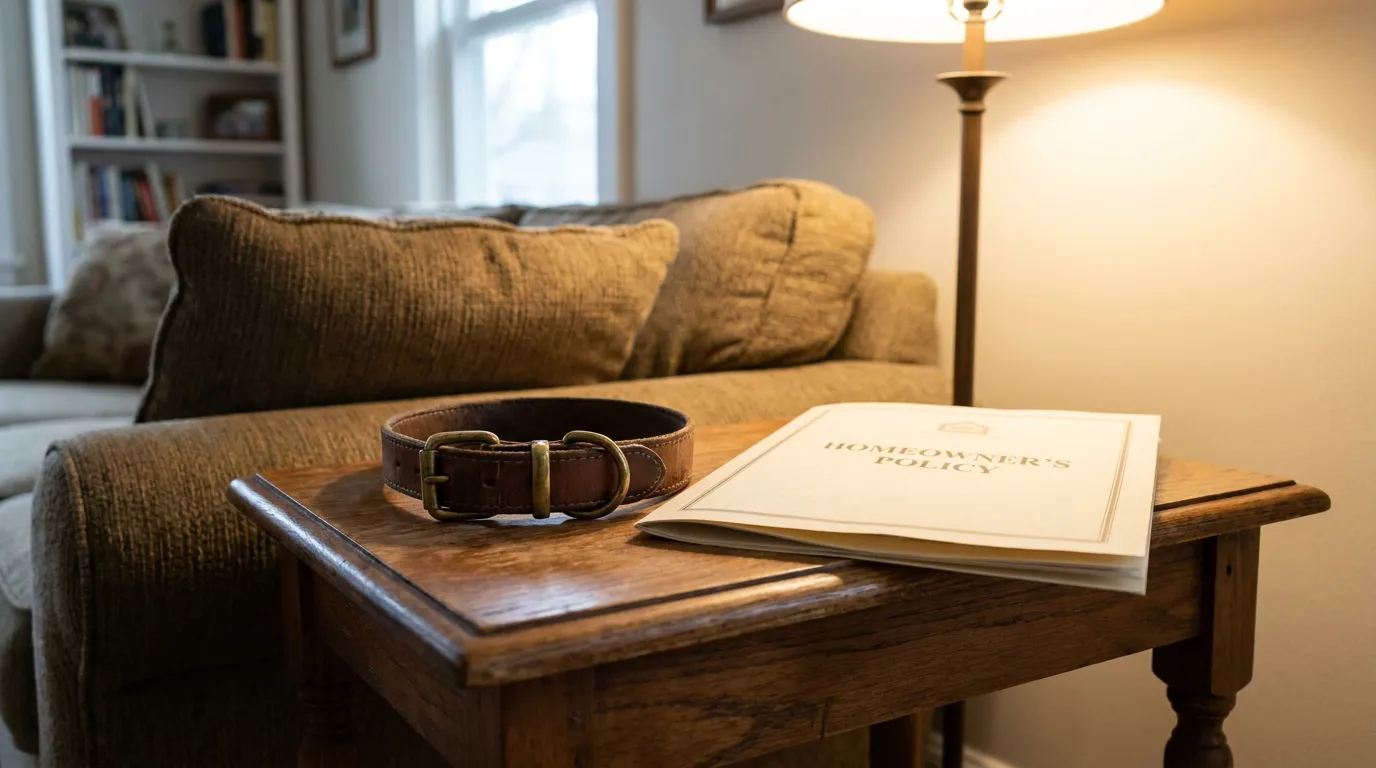
These distinctions can significantly affect insurance coverage. Whether a claim reaches a homeowner’s or renter’s policy often turns on who the responsible party is and where they live. A careful review of the living arrangement and the dog’s care is important.
💡 Pro Tip: Ask for the dog owner’s insurance information at the scene when it is safe to do so. Homeowner’s or renter’s policies frequently cover dog bite claims.
The Narrow Exception for Police Dogs
Washington carves out one clear exception to the bite liability rule. The law excludes the lawful application of a police dog from strict liability, and this exclusion also extends to dangerous-dog provisions. This exception is limited to the lawful application of a police dog, so it does not automatically shield every incident involving a law enforcement animal.
Criminal Consequences and the Dangerous Dog Distinction
Washington’s dog laws include both civil and criminal dimensions, and they operate differently. Beyond civil strict liability, the state attaches criminal consequences in serious cases. An owner of a dog that aggressively attacks and causes severe injury or death to a human can be guilty of a class C felony, whether or not the dog was previously declared potentially dangerous or dangerous, though courts have held the state must prove the owner knew or should have known of the dog’s dangerousness. The statute lists trespass and provocation as affirmative defenses and provides that the state may not prove the owner should have known a dog was potentially dangerous solely by showing the dog’s breed.
The knowledge requirement in the criminal and dangerous-dog context differs from the civil bite rule. Washington’s appellate courts have distinguished between the civil bite statute and the dangerous-dog framework. In State v. Bash, the court addressed a statute requiring that the dog’s owner either knew or should have known that the dog was a potentially dangerous or dangerous dog. You can review the State v. Bash decision for the court’s reasoning. Washington law also distinguishes a “potentially dangerous dog” from a “dangerous dog,” with prior notice to the owner being a relevant element.
| Standard | Governing Provision | Owner Knowledge Required? |
|---|---|---|
| Civil bite liability | RCW 16.08.040 | Generally no |
| Dangerous dog / criminal | RCW 16.08.100 and related sections | Often yes, subject to exceptions |
💡 Pro Tip: A single incident can involve both a civil claim for your damages and a separate criminal or administrative process. These proceedings are distinct, and one does not replace the other.
When a Kennewick Dog Bite Lawyer Can Help Your Claim
A Kennewick dog bite lawyer can help you identify the responsible owner and document your losses. Sorting out who counts as an owner, locating applicable insurance, and proving you were lawfully present all take careful work. Our team focuses on recoverable damages such as medical treatment, lost income, and pain and suffering, and prepares each matter as if it may go to trial. If you want to learn how our approach applies to your situation, our dog bite attorney Kennewick team is available to review the facts.
Timely action strengthens a claim. Washington’s civil deadlines can limit how long you have to file, and while certain rules may extend a deadline in limited circumstances, courts interpret those exceptions narrowly. A working dog bite attorney Kennewick residents trust can evaluate the timing early so a claim is not lost. You can also find related guidance on our dog bite injury resources for additional context.
💡 Pro Tip: Seek medical care promptly even for wounds that look minor. Dog bites carry infection risks, and prompt records also document the injury for a Washington dog bite claim.
Frequently Asked Questions
1. Do I have to prove the dog bit someone before?
No. Under Washington’s strict liability standard, you generally do not. A dog’s prior viciousness and the owner’s knowledge of it are legally irrelevant under the civil bite statute.
2. What if I was bitten on the owner’s own property?
You may still recover if you were lawfully present. The statute applies when the victim is in a public place or lawfully on private property, including the property of the dog’s owner.
3. Does the law apply if the dog did not bite me?
Not automatically. For injuries other than bites, a victim must rely on a non-statutory theory of liability such as negligence.
4. Can a dog owner face criminal charges?
Yes, in serious cases. An owner of a dog that aggressively attacks and causes severe injury or death can be guilty of a class C felony, whether or not the dog was previously declared dangerous, though the state must prove the owner knew or should have known of the dog’s dangerousness.
5. Are police dogs treated differently?
Yes. The lawful application of a police dog is excluded from the strict liability rule.
Protecting Your Rights After a Dog Attack
Washington’s dog bite framework is designed to protect people who were lawfully present when a bite occurred, and it places responsibility on the dog’s owner. Identifying who qualifies as the owner, confirming where the bite happened, and understanding the difference between civil and criminal provisions all shape a strong claim. Because every incident turns on its own facts, a careful review of your situation is the best way to understand your options as a bite victim in Richland or Kennewick.
If you are ready to take the next step, Telaré Law is prepared to listen and explain how Washington law applies to your case. Call us at 509-736-3160 or send a message through our free case review request to get started today.