Understanding Washington’s Accident Reporting Rules After a Crash
Key Takeaways: A late accident report in Washington can lead to a suspended driver’s license. RCW 46.52.030 requires drivers to file a written report within four days of a crash involving injury, death, or qualifying property damage. Under RCW 46.52.035, the Department of Licensing director has discretionary authority to suspend driving privileges until the required report is filed, and that suspension can extend to your vehicle registration under RCW 46.29.605 when the suspension is for failure to pay a judgment or deposit security arising from the accident. In incorporated cities like Richland, reports go to the chief of police, who forwards them to the Washington State Patrol and Department of Licensing. Suspension is not automatic and depends on your case facts. Filing on time avoids complications, and a timely, accurate report helps preserve key facts supporting your injury claim.
A late accident report in Washington can lead to a suspended driver’s license. If you were hurt in a Richland collision, the rules surrounding written crash reports may feel like one more burden during a stressful time. Washington law gives the state licensing authority discretion to suspend driving privileges when a required report is not filed on time.
For injured victims, the reporting deadline matters beyond compliance. A timely, accurate report supports your insurance claim and preserves key crash facts. If you have questions about your obligations or rights, contact Telaré Law today by calling 509-736-3160 or through the firm’s online contact page.
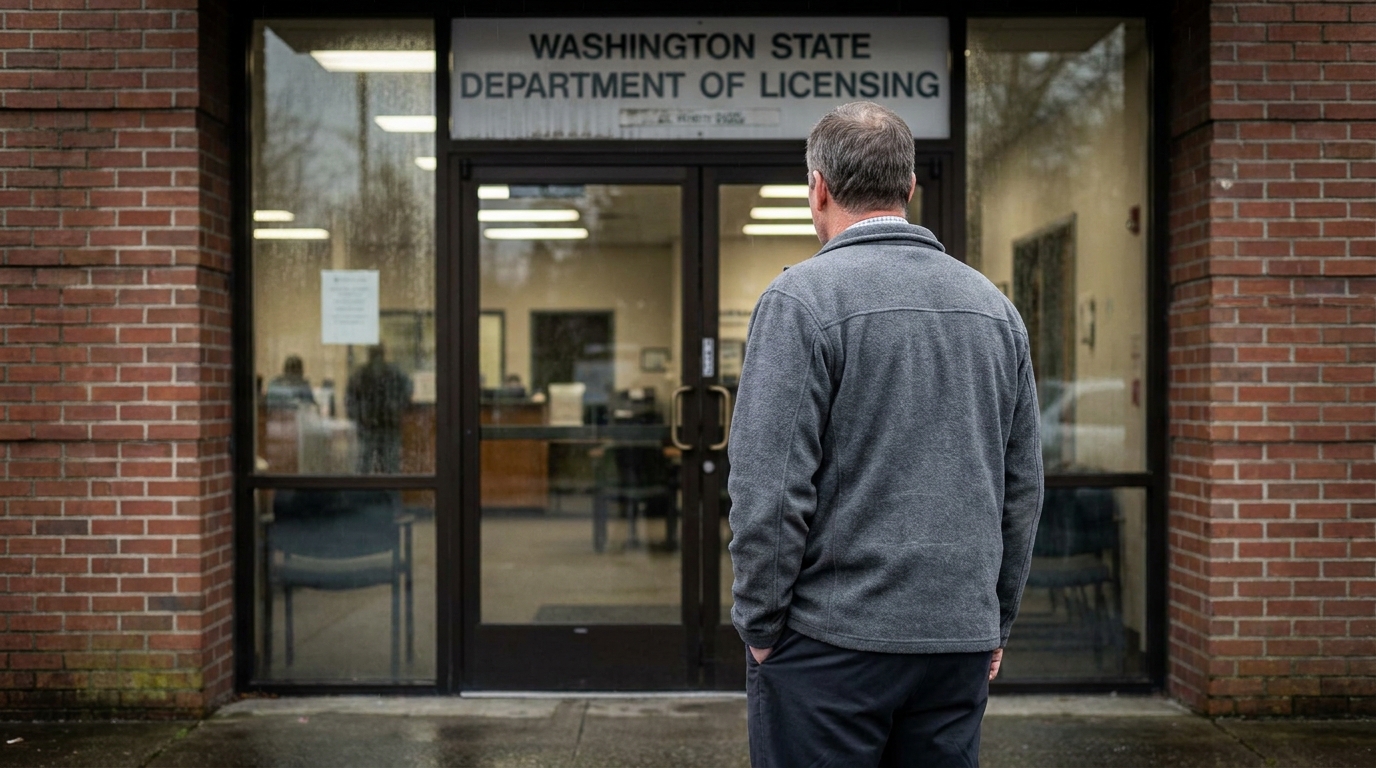
How Long Do You Have to Report an Accident in Washington?
Washington law sets a strict four-day window for filing a written accident report after a qualifying crash. Under RCW 46.52.030, a driver involved in an accident resulting in injury, death, or property damage meeting the state threshold must file a written report within four days, unless a law enforcement officer investigates and submits the required report. This deadline applies regardless of fault.
When the report is late or never filed, the state may treat that failure as grounds for administrative action against your license. Acting within the four-day window is the simplest way to avoid complications.
💡 Pro Tip: Mark the four-day deadline on your calendar immediately. Medical appointments and insurance calls can push paperwork aside, and the clock runs from the accident date.
How a Late or Missing Report Can Trigger License Suspension
Washington has a dedicated statute authorizing license suspension for failing to file a required accident report. RCW 46.52.035 provides that the director may suspend driving privileges of any person failing to report an accident as required by RCW 46.52.030 until the report has been filed.
This is important because the suspension is discretionary, the director “may” act rather than “must”, and generally lasts only until the report is filed, so compliance lifts it.
The Director’s Discretionary Authority
The director’s power to suspend is tied directly to the unfiled report and broader public safety considerations. Beyond the reporting statute, RCW 46.52.120(3) directs the director to suspend, revoke, cancel, or refuse a license when facts show it is in the best interest of public safety. These are separate administrative tracks from any civil lawsuit you may bring.
Outcomes depend on specific facts. Administrative review is not automatic, and individual circumstances affect whether and how the state acts.
When Vehicle Registration Is Also at Risk
A suspension connected to a crash can reach beyond your license to your vehicle registration in certain circumstances. Under RCW 46.29.605, when a driving privilege is suspended for failure to pay a judgment or deposit security arising from a motor vehicle accident in Washington, and the driver is also the registered owner, the department shall suspend the vehicle’s registration. The owner must surrender all license plates, and failing to do so is a misdemeanor.
Operating a vehicle with a suspended registration is a gross misdemeanor that can carry mandatory penalties. This layered consequence makes addressing a missed report quickly valuable. If you are worried about missing Washington’s deadline, this overview of the failure to report accident Washington consequences explains practical steps in detail.
Who Must File and Where in Richland
In an incorporated city like Richland, the written report generally goes to the chief of police. RCW 46.52.030 specifies that the report must be filed with the chief of police if the accident occurred within an incorporated city or town. If a crash happens outside incorporated areas, the report goes to the county sheriff or Washington State Patrol.
The reporting obligation continues beyond the local level. The receiving authority forwards the original to the Washington State Patrol, which gives the Department of Licensing full access. That data path is why a late or missing report can prompt licensing review.
💡 Pro Tip: Keep a copy of any report you file and note the submission date. Your records help corroborate timely filing if the state later questions compliance.
Reporting Thresholds and the Property Damage Minimum
Not every fender-bender triggers the written report requirement. The duty applies to accidents resulting in injury, death, or property damage meeting a minimum amount set by the Washington State Patrol. That threshold is currently $1,000 and can be revised periodically, though not more often than every two years.
Drivers in Richland should confirm the current threshold rather than assume a past baseline applies. When injuries are involved, the reporting duty applies regardless of property damage amount.
| Crash Detail | What the Law Generally Requires |
|---|---|
| Deadline to file | Within four days of the accident |
| Where to file in Richland | Chief of police (incorporated city) |
| Triggering events | Injury, death, or property damage at or above the set threshold |
| Consequence of late filing | Possible discretionary license suspension until filed |
Other Licensing Consequences After a Serious Crash
A serious crash can create a licensing consequence separate from your duty to file. Under RCW 46.52.070, these are two separate reporting obligations: when a collision results in a fatality, the officer must report to the Department of Licensing the identity of any driver they reasonably believe caused the collision; and when a collision results in substantial bodily harm, the officer must report the identity of any driver they reasonably believe may not be competent to operate a motor vehicle, along with the reasons for that belief. This is an independent track alongside the driver’s reporting obligation.
The suspension authority also reaches out-of-state motorists. RCW 46.52.035 references nonresident operating privileges, so a visitor who fails to file in Washington can face penalties. These overlapping rules show why careful reporting matters for everyone.
Common pitfalls injured drivers should avoid:
- Assuming the police report at the scene satisfies your personal four-day reporting duty.
- Waiting until medical treatment is complete before handling required paperwork.
- Overlooking the threshold rule and skipping a report when damage seems minor but exceeds the limit.
💡 Pro Tip: If you are recovering from a catastrophic injury and cannot file yourself, ask a family member or attorney to confirm the report is submitted within the window.
Protecting Your Rights as an Injured Victim
For crash victims, the reporting rules preserve facts that support your claim. A complete report documents the collision while details are fresh, which matters when you later prove negligence, causation, and damages. Accident reports are generally confidential and not admissible at trial, though an official certificate confirming whether a report was filed can show compliance.
Pursuing fair compensation often involves medical records, accident reconstruction, and other evidence beyond the report. A knowledgeable car accident lawyer Richland WA team can help organize this evidence while you focus on healing. Because every case turns on specific facts, this guidance is general and not a substitute for individualized legal advice.
Frequently Asked Questions
-
How long do you have to report an accident in Washington?
You generally have four days. RCW 46.52.030 requires a written report within four days of a crash that causes injury, death, or qualifying property damage, unless a law enforcement officer investigates and files a report.
-
Will my license automatically be suspended for a late report?
Not automatically. RCW 46.52.035 gives the director discretion to suspend a license for failing to report, and suspension generally lasts only until the report is filed. The outcome depends on your case facts.
-
Where do I file an accident report if my crash happened in Richland?
With the chief of police. Because Richland is an incorporated city, RCW 46.52.030 directs the report to the local police chief, who forwards it to the Washington State Patrol and Department of Licensing.
-
Can out-of-state drivers face penalties for not reporting?
Yes. RCW 46.52.035 expressly references nonresident operating privileges, so visiting drivers who fail to file a required report in Washington may face consequences.
-
Does a late report affect my injury claim?
It can complicate it. While the report is generally confidential, gaps in documentation may make proving your case harder, which is why timely filing and strong evidence both matter.
Take the Next Step After Your Richland Crash
A late or missing accident report in Washington can lead to a suspended license; vehicle registration suspension may occur under RCW 46.29.605 when the license suspension is for failure to pay a judgment or deposit security arising from the accident. The four-day deadline in RCW 46.52.030 and the discretionary suspension authority in RCW 46.52.035 work together, and filing promptly remains the clearest way to avoid administrative complications. For injured victims, careful reporting helps protect evidence supporting fair recovery.
If you have been hurt in a Richland collision and have questions about reporting deadlines or your rights, reach out to Telaré Law for guidance tailored to your situation. Call 509-736-3160 or use the firm’s secure contact form to take the next step today.