Why Filing an Insurance Claim Is Not the Same as Filing a Lawsuit in Richland, Washington
Many auto accident victims in Richland, Washington assume that filing an insurance claim protects all of their legal rights. That assumption can cost you your entire case. An insurance claim is a request for payment under a policy, while a personal injury lawsuit is a formal court action with a strict deadline set by state law. Under RCW 4.16.080, Washington imposes a three-year statute of limitations for personal injury actions. If you miss that window, no pending insurance claim will save your right to sue. Because Richland sits near the Oregon border, the statute of limitations Oregon applies may also come into play for cross-border crashes.
If you were hurt in a car accident and are unsure whether your insurance claim protects your lawsuit rights, Telaré Law can help. Call 509-736-3160 or reach out to our team today to discuss your situation.
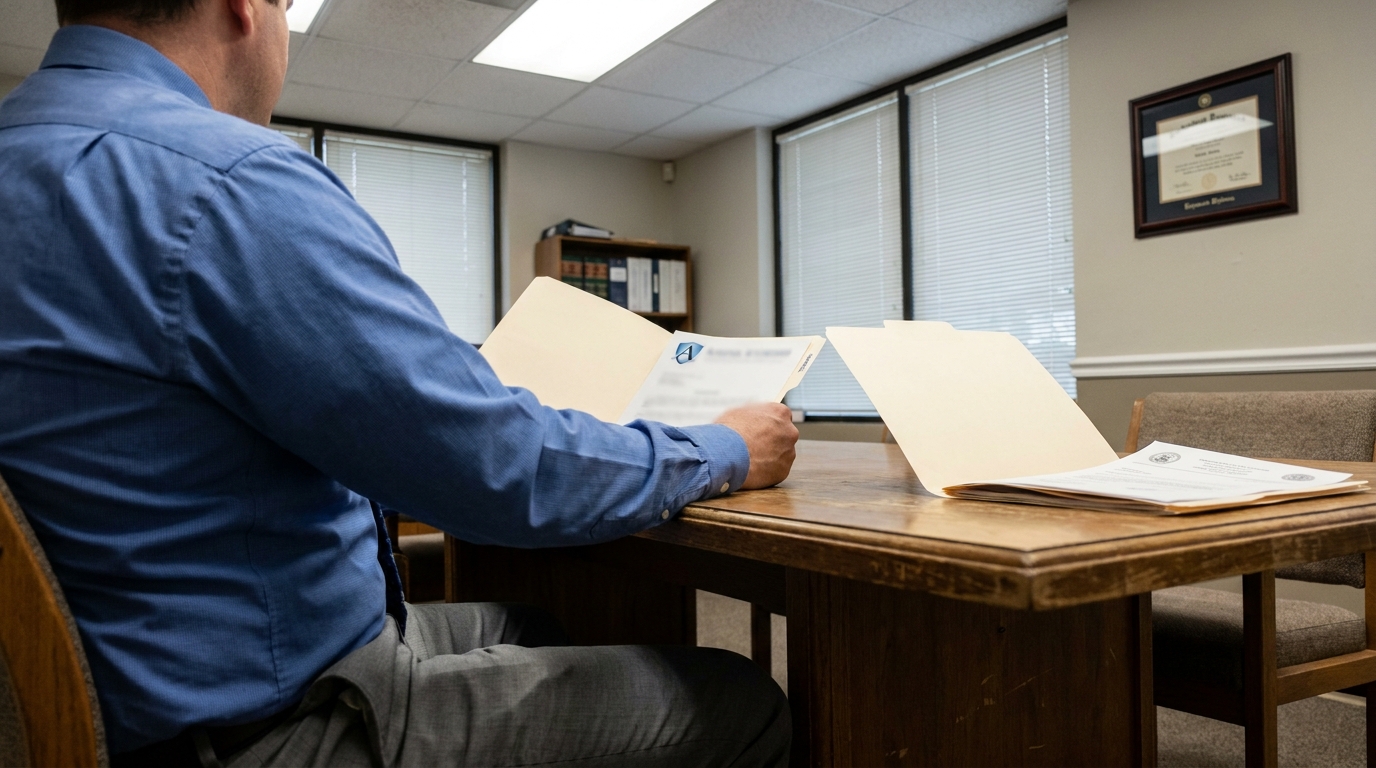
The Insurance Claim Process: What It Does and Does Not Do
Filing an insurance claim starts a conversation with an insurance company, not with a court. When you submit a claim to your own insurer or the at-fault driver’s carrier, you are asking the company to evaluate and pay your damages under the policy terms. Washington’s underinsured motorist statute, RCW § 48.22.030, protects victims when the at-fault driver carries insufficient coverage. Richland auto accident victims often file UIM claims with their own insurer as a first step.
However, this insurance claim process is legally distinct from filing a personal injury lawsuit. The insurance process operates under policy terms and insurance regulations, not civil litigation rules. Exercising your rights within the claims process does not automatically preserve your right to sue. You can learn more about how auto insurance works in Washington through the state’s Office of the Insurance Commissioner.
💡 Pro Tip: Keep a written log of every communication with your insurance company, including dates, adjuster names, and summaries of discussions. This record can become critical evidence if your claim is delayed or denied.
How Washington’s Three-Year Statute of Limitations Works
Washington State gives injured auto accident victims three years from the date of the crash to file a personal injury lawsuit. RCW 4.16.080(2) requires that actions for injury to the person or rights of another be commenced within three years. This deadline is separate from and independent of any insurance claim.
What “Commenced” Means Under the Law
The law distinguishes the formal act of filing a lawsuit from merely submitting an insurance claim. Under RCW 4.16.170, an action is “commenced” when a complaint is filed with the court or a summons is served on the defendant, whichever occurs first. However, the plaintiff must then complete the other step within 90 days, or the action is deemed not commenced. Sending a demand letter, negotiating a settlement, or waiting for a claims adjuster’s response does not count. Missing the three-year deadline bars the injured party from pursuing a lawsuit for additional compensation.
Tolling Provisions Are Narrow
Washington law provides limited tolling provisions that can pause the statute of limitations, but they apply in specific circumstances. Under RCW 4.16.180, RCW 4.16.190, and RCW 4.16.200, tolling may apply when a defendant is absent from the state or concealed, when a plaintiff is incompetent or disabled, or upon death. Courts interpret these exceptions narrowly, and none apply simply because an insurance claim remains open.
💡 Pro Tip: Do not assume that ongoing settlement negotiations pause your lawsuit deadline. The statute of limitations continues to run regardless of your claim status.
The Statute of Limitations Oregon Imposes on Cross-Border Crashes
Richland’s proximity to the Oregon border means some accident victims may have claims with Oregon connections. If your crash occurred in Oregon, or if the at-fault driver is an Oregon resident, different rules may govern your case. Under RCW § 4.18.030, when another state’s statute of limitations applies to a claim asserted in Washington, that state’s tolling and accrual rules also govern. Richland residents cannot assume Washington’s three-year window automatically applies in cross-border situations.
Oregon Has Its Own Deadlines
Oregon’s personal injury lawsuit deadline differs from Washington’s, and confusing the two can be fatal to a case. The statute of limitations Oregon auto accident victims face operates under Oregon’s statutory framework, with its own accrual and tolling rules. If you were injured in a crash near the state line, you must determine which state’s law controls before calculating your deadline. For Oregon-specific filing deadlines, review our guide on Oregon personal injury deadlines.
💡 Pro Tip: If your accident happened on Interstate 82 or another route near the Oregon border, consult an attorney promptly to determine which state’s statute of limitations applies. The wrong assumption could cost you your right to file.
Why an Open Insurance Claim Does Not Toll Your Lawsuit Deadline
One of the most dangerous misconceptions in Richland car accident insurance claim situations is the belief that filing an insurance claim pauses the lawsuit clock. It does not. Washington law reinforces this distinction in multiple statutes. RCW 46.72B.180 governs insurance coverage requirements for commercial transportation services providers (Transportation Network Companies) and does not include a provision requiring accident-related data retention tied to the statutes of limitation. RCW 46.74A.030 addresses safety recall verification requirements for peer-to-peer car sharing programs, and Washington law does impose a record-retention period tied to the personal injury statute of limitations; specifically, RCW 46.74A.020(4) requires peer-to-peer car sharing programs to retain records pertaining to vehicle use for a time period not less than the applicable personal injury statute of limitations. The statute of limitations remains a distinct and binding legal deadline, separate from the insurance claims process.
| Insurance Claim | Personal Injury Lawsuit | |
|---|---|---|
| Filed with | Insurance company | Court of law |
| Deadline source | Policy terms (contractual) | State statute (RCW 4.16.080) |
| Three-year limit | No (varies by policy) | Yes, from date of crash |
| Tolled by open claim | N/A | No |
| Creates right to sue | No | Yes |
| Preserves lawsuit rights | No | Yes, if timely filed |
Bad Faith Claims Have Their Own Limited Tolling
Washington law creates a separate legal pathway for challenging unreasonable insurance claim denials, but the tolling it provides is extremely narrow. Under RCW § 48.30.015(8), the statute of limitations for a bad faith lawsuit is only tolled during a specific 20-day pre-suit notice period. This tolling does not extend to the entire insurance claim dispute and does not apply to the underlying personal injury case. Filing lawsuit vs insurance Oregon or Washington bad faith actions requires careful attention to these separate deadlines.
💡 Pro Tip: If your insurer denies your claim or makes a lowball offer, do not let frustration with the claims process distract you from tracking your lawsuit filing deadline. These are two separate legal tracks with independent clocks.
Steps Richland Accident Victims Should Take to Protect Their Rights
Acting early is the single most important thing you can do after a car accident in Richland. Whether your crash involved a local driver, a commercial vehicle, or a rideshare service, the following steps can help preserve both your insurance claim and your right to sue:
- Document everything immediately. Gather police reports, medical records, photographs, and witness contact information.
- File your insurance claim promptly. While this does not protect your lawsuit rights, delays can complicate your claim.
- Track the three-year deadline from day one. Mark the date three years from your crash and treat it as a hard deadline.
- Determine which state’s law applies. If your crash has any Oregon connection, the statute of limitations Oregon imposes may govern your case.
- Consult an attorney well before the deadline. Building a strong case takes time.
💡 Pro Tip: Many injured victims focus solely on the insurance settlement Oregon or Washington carriers offer, without realizing that their leverage in negotiations increases significantly when they preserve the credible threat of a lawsuit. A Richland Washington crash lawyer can help you maintain that leverage.
Frequently Asked Questions
1. Does filing an insurance claim extend the statute of limitations for a lawsuit in Washington?
No, filing an insurance claim does not toll or extend the statute of limitations.
Under RCW 4.16.080, the three-year deadline for filing a personal injury lawsuit runs from the date of the crash. This deadline is independent of any insurance claim. Even if your claim is under review, you must file a lawsuit within three years or lose your right to pursue one.
2. What happens if my Richland car accident involved an Oregon driver or occurred in Oregon?
A different state’s statute of limitations may apply.
Under RCW § 4.18.030, if another state’s limitation period governs your claim, that state’s tolling and accrual rules also apply. This means Oregon’s deadline and procedural rules could control your case instead of Washington’s three-year window.
3. Can the statute of limitations be paused for any reason in Washington?
In limited circumstances, yes.
Washington provides tolling for specific situations such as a defendant’s absence from the state or concealment (RCW 4.16.180), a plaintiff’s incompetency or disability (RCW 4.16.190), or death (RCW 4.16.200). Courts interpret these provisions narrowly, and an open insurance claim does not qualify.
4. Is the deadline for a bad faith insurance lawsuit the same as for a personal injury lawsuit?
Not exactly.
RCW § 48.30.015(8) provides a narrow tolling provision for bad faith lawsuits, limited to a 20-day pre-suit notice period. This tolling applies only to the bad faith action, not to the underlying personal injury claim. These are separate causes of action with separate deadlines.
5. Why should I care about the lawsuit deadline if I am already getting an insurance settlement?
Because the insurance claim does not guarantee full compensation.
Insurance settlements often fall short of covering long-term medical costs, lost wages, and non-economic damages. If your insurer offers an inadequate amount, your ability to file a lawsuit is your primary leverage. Losing that right by missing the statute of limitations removes your strongest tool for fair recovery.
Protect Your Rights Before Time Runs Out
The difference between an insurance claim and a lawsuit is not just procedural. It can determine whether you recover fair compensation or walk away with nothing. Richland auto accident victims face strict deadlines under Washington law, and cross-border crashes near Oregon can introduce additional complexity around the statute of limitations Oregon applies. Do not let an open insurance claim create a false sense of security. The three-year window under RCW 4.16.080 does not wait for insurers to finish their review.
If you or a family member were injured in a car accident in Richland, Kennewick, or anywhere in the Tri-Cities area, Telaré Law is ready to help you understand your deadlines and protect your claim. Call 509-736-3160 or contact us now to get started.